Prehistoric Cooking

Cookbook Challenge part 9

It’s quite a while since I posted anything. I have still done a couple of cookbook challenge meals, just got behind with writing them up while I was busy with work and holidays. Feel free to follow me on Instagram too if you are interested in what I’ve been doing and eating – it’s apricots_in_manchester

For this week’s meal I went a long way back in time …
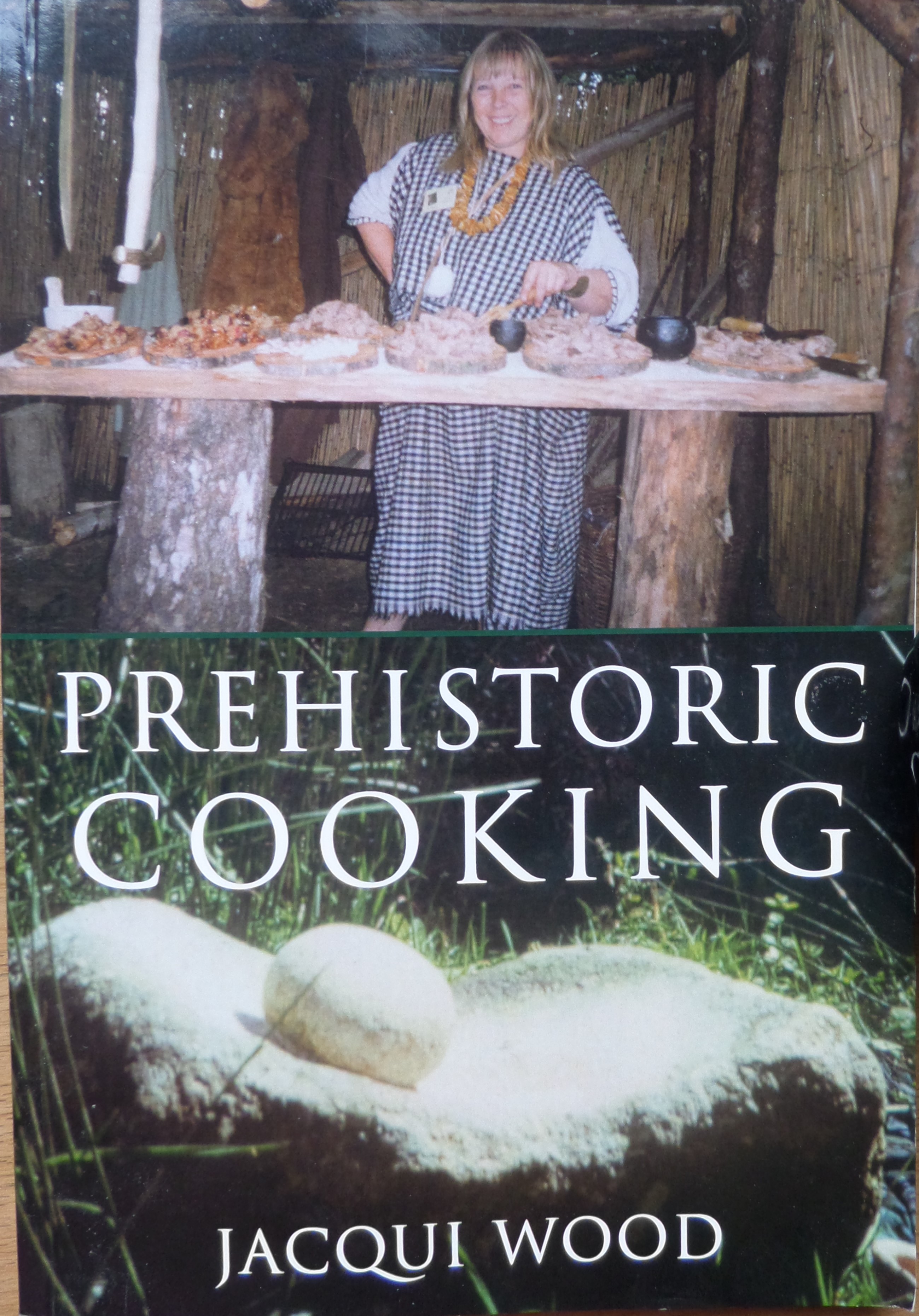
I have a few books of historical recipes and some books that are just old, but I think this one goes back the furthest. Of course, as we’re talking about prehistory, there are no records of what people were actually eating at the time. The author gives suggested recipes based on the foods known to have been available and that she has developed through experimental archaeology. There is a lot of information on the foods eaten in different periods of prehistory at the start of the book, so it’s worth reading if like me you are interested in how food preparation developed over time.

I was aiming to make some dishes that may have been eaten in Northern Europe and Britain in the Bronze age – approximately 3,500 years ago. People would still have been hunting and collecting whatever foods were around them, but would also have domesticated animals and started cultivating grains.

There are lots of suggestions in the book for foraging for wild vegetation, but there is limited opportunity for that in the Manchester suburbs, so I kept to ingredients that were readily available in my garden or in the supermarket. As I don’t eat meat, I looked for dishes using vegetables, milk and grains, which must have been the case for prehistoric people a lot of the time as well.

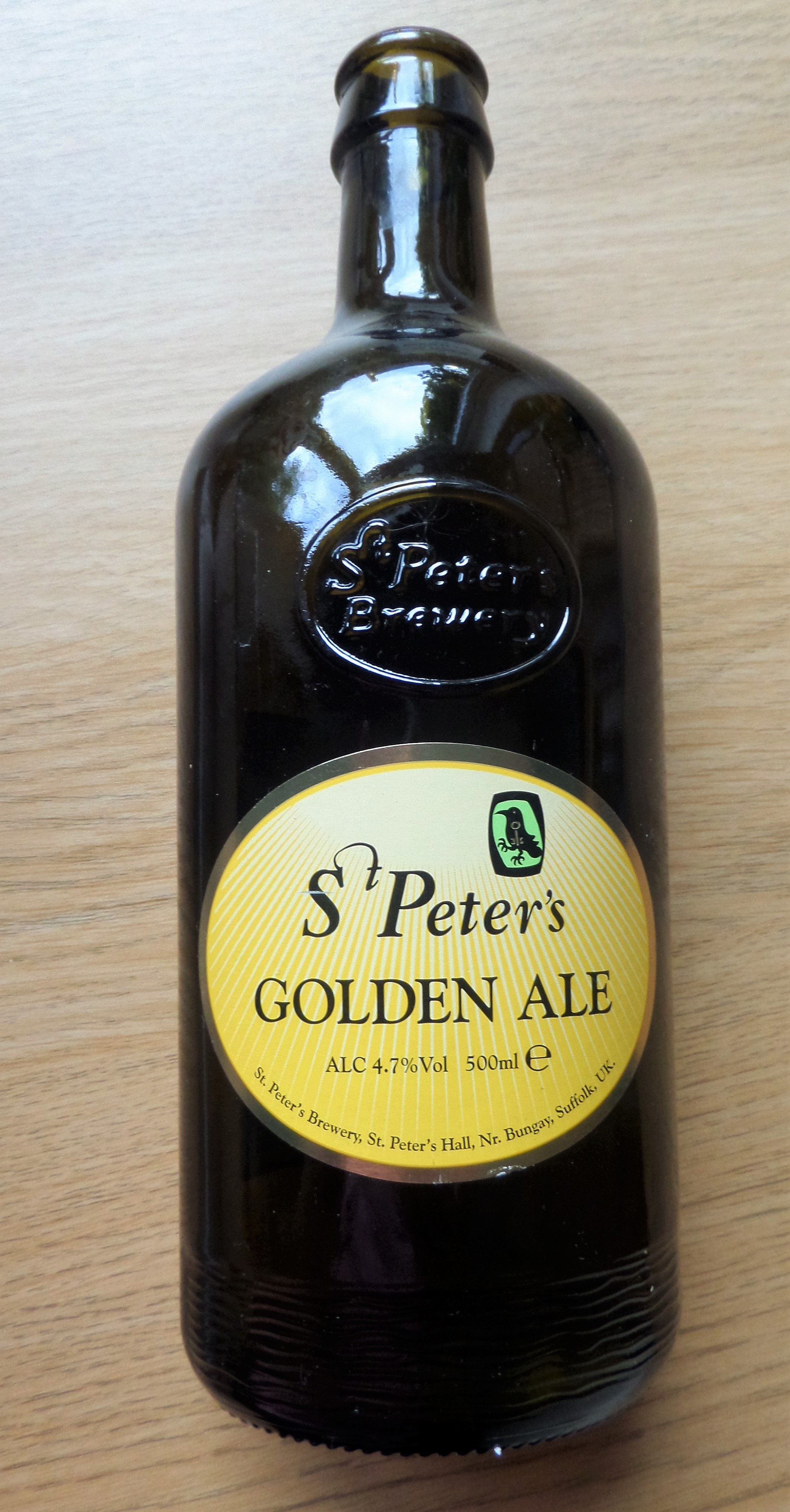
I started off by making some barley bread with beer. The beer is supposed to make the bread lighter, instead of using yeast. I couldn’t find barley flour, so I used barley flakes and ground them up in the food processor. That made quite a coarse flour, but possibly finer than prehistoric people could achieve using stones to grind flour. The beer was St. Peter’s Golden Ale, brewed in Suffolk, which I chose mainly because I liked the bottle! I have no idea what prehistoric beer would have tasted like. There are some beer recipes in the book, but I didn’t have time to wait a few days for it to ferment. This one tasted good anyway, It contains hops, which apparently were used in Europe in prehistoric times, but weren’t introduced to Britain until the sixteenth century.
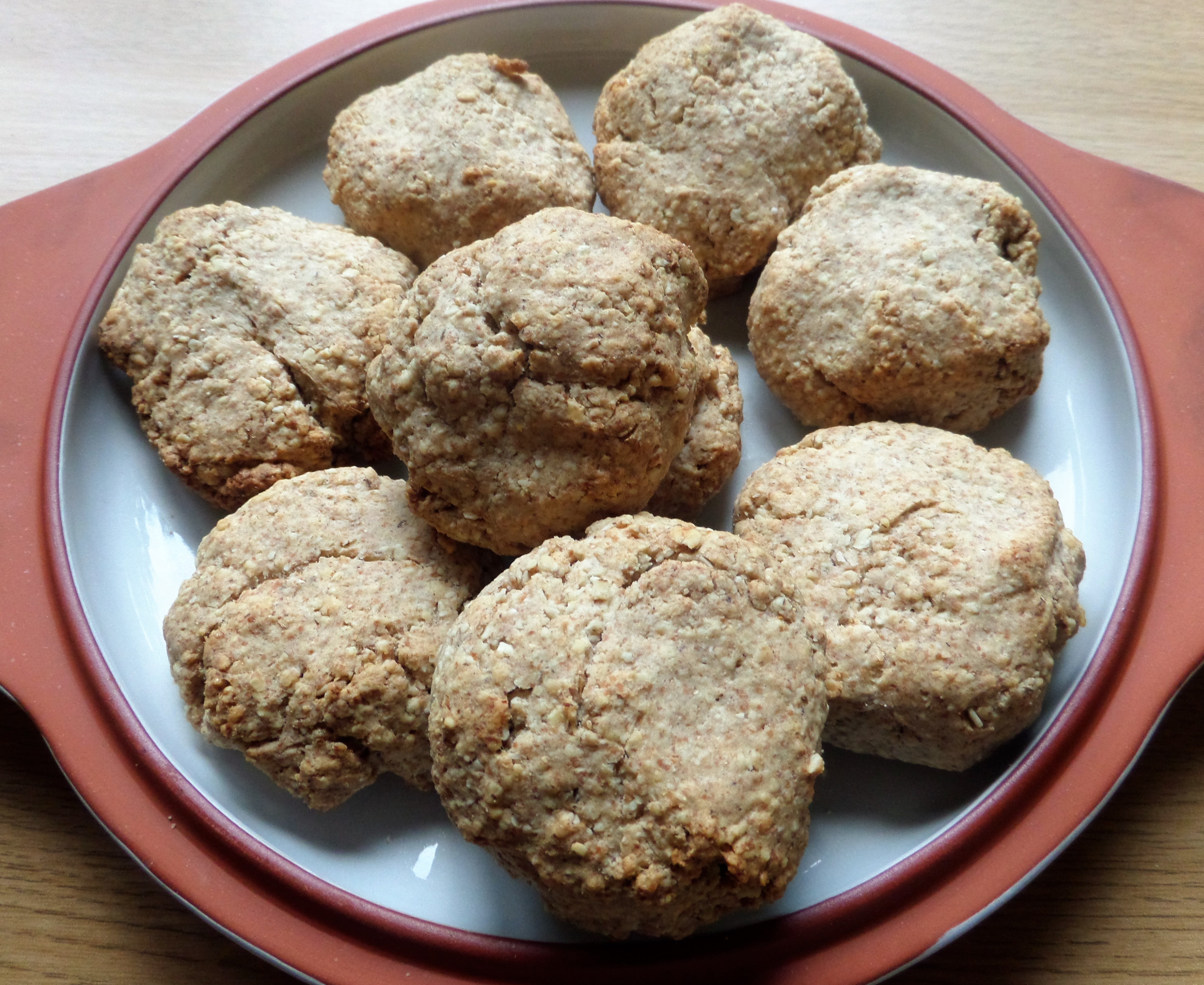
The finished bread was fairly dense, although I think the beer had lightened it. The texture was also quite crumbly, a bit like a scone. The flavour was quite good though, especially with some salted butter.

I needed something else to go with the bread, so I made some soft cheese. This is very easy, you just add vinegar to hot milk, stir until the curds separate and then drain off the whey. You end up with a ricotta style cheese which I flavoured with salt, garlic and chives. It was actually really tasty and probably the only part of the main course that my sons liked.

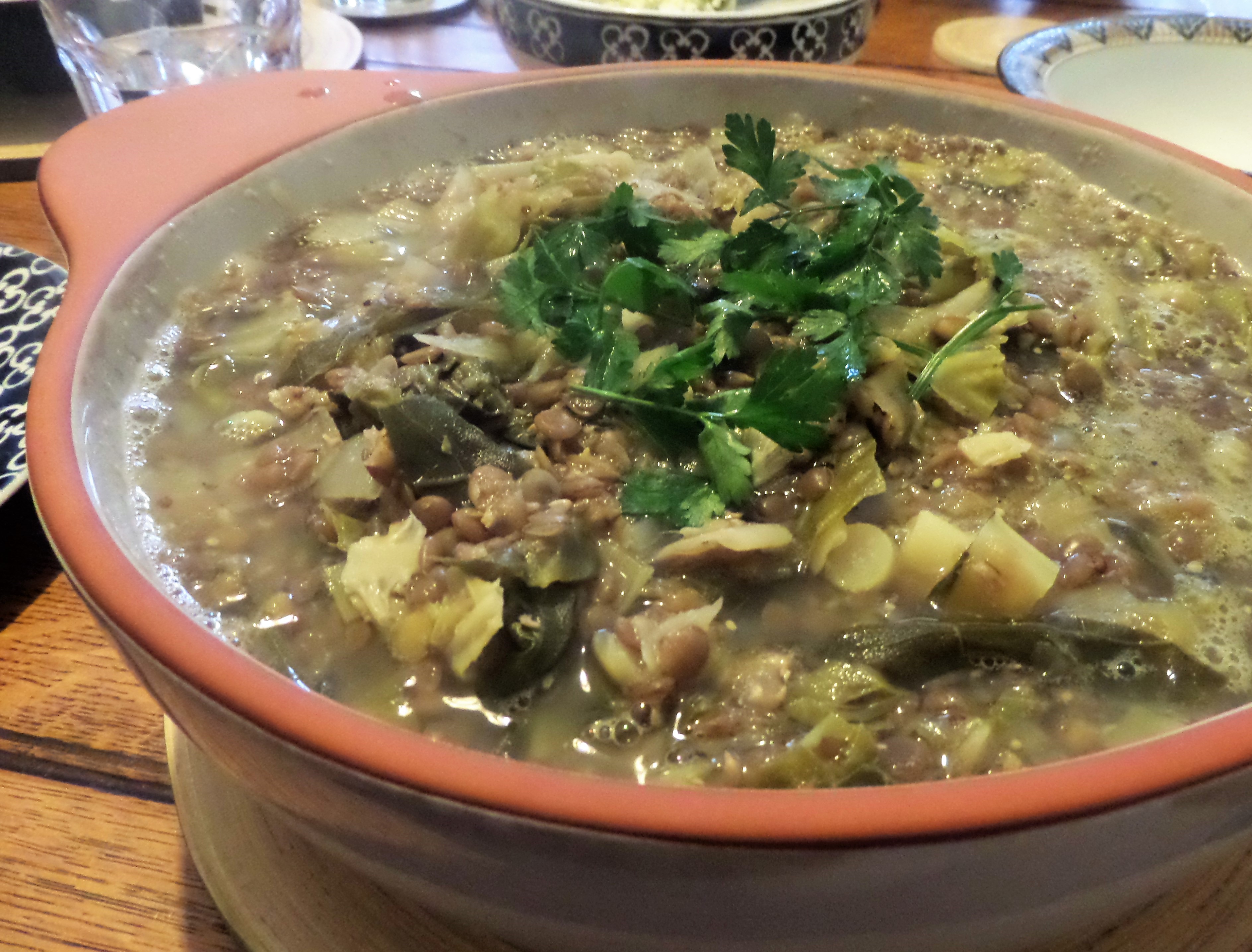
The main course was a lentil stew. For this I didn’t exactly follow a recipe, but put together ingredients that should have been available in Europe at the time, including lentils, onions, leeks and various herbs. I found it quite difficult to make this taste good. We often eat this type of vegetarian stew, but usually we might add potatoes, peppers, maybe chilli, cumin or other spices – none of which would have been available in prehistoric Northern Europe. It ended up tasting fairly wholesome and was very healthy at least. It was also a very dull brown. Do you think prehistoric people would have bothered with a parsley garnish? If I was there I definitely would have!

Now for dessert. There is no way of knowing if people would have had something sweet to finish their meal, but they would undoubtedly have sought out sweet foods for the extra energy they provide. There are cave paintings in Spain dating back to Neolithic times showing human figures gathering honey, for example.

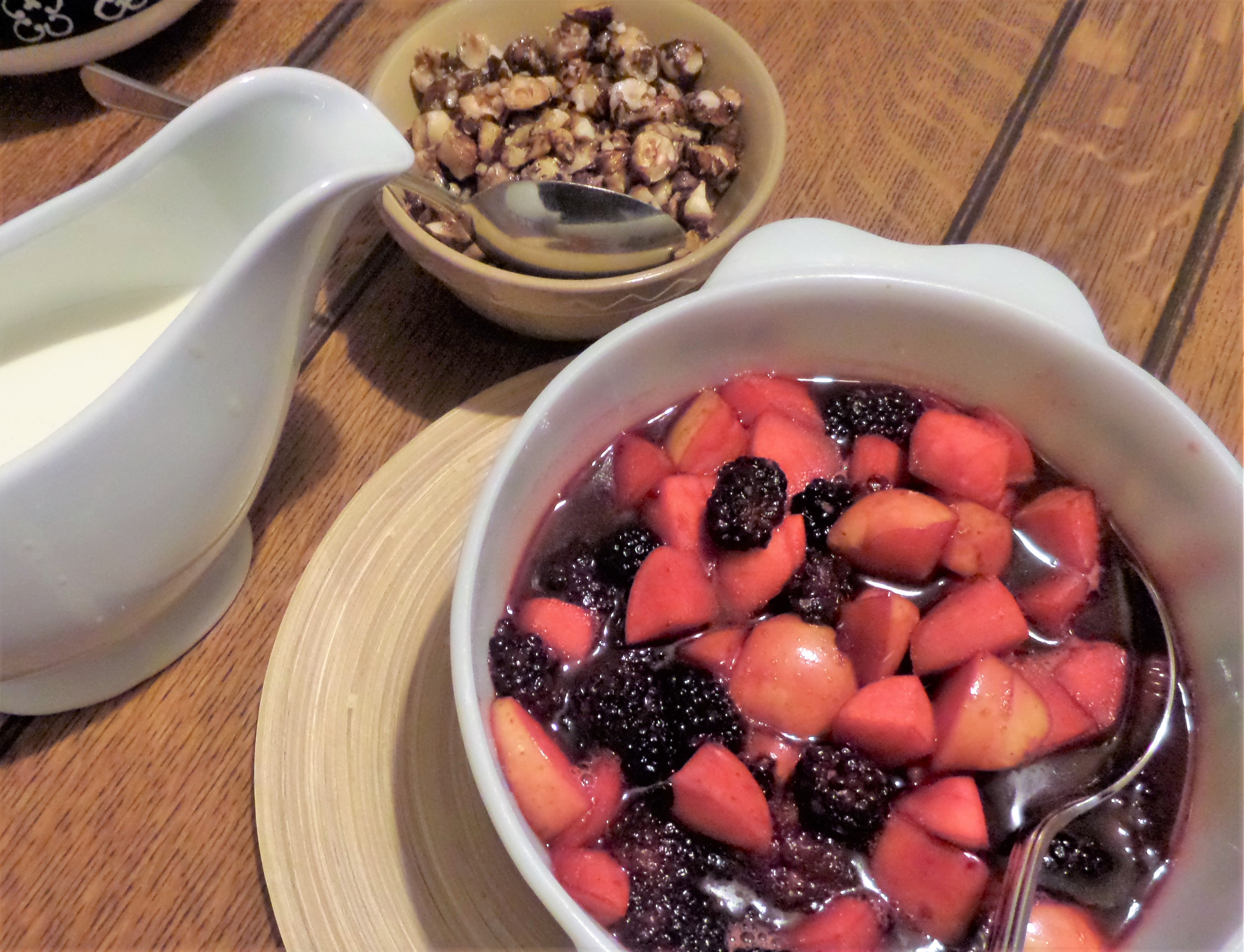
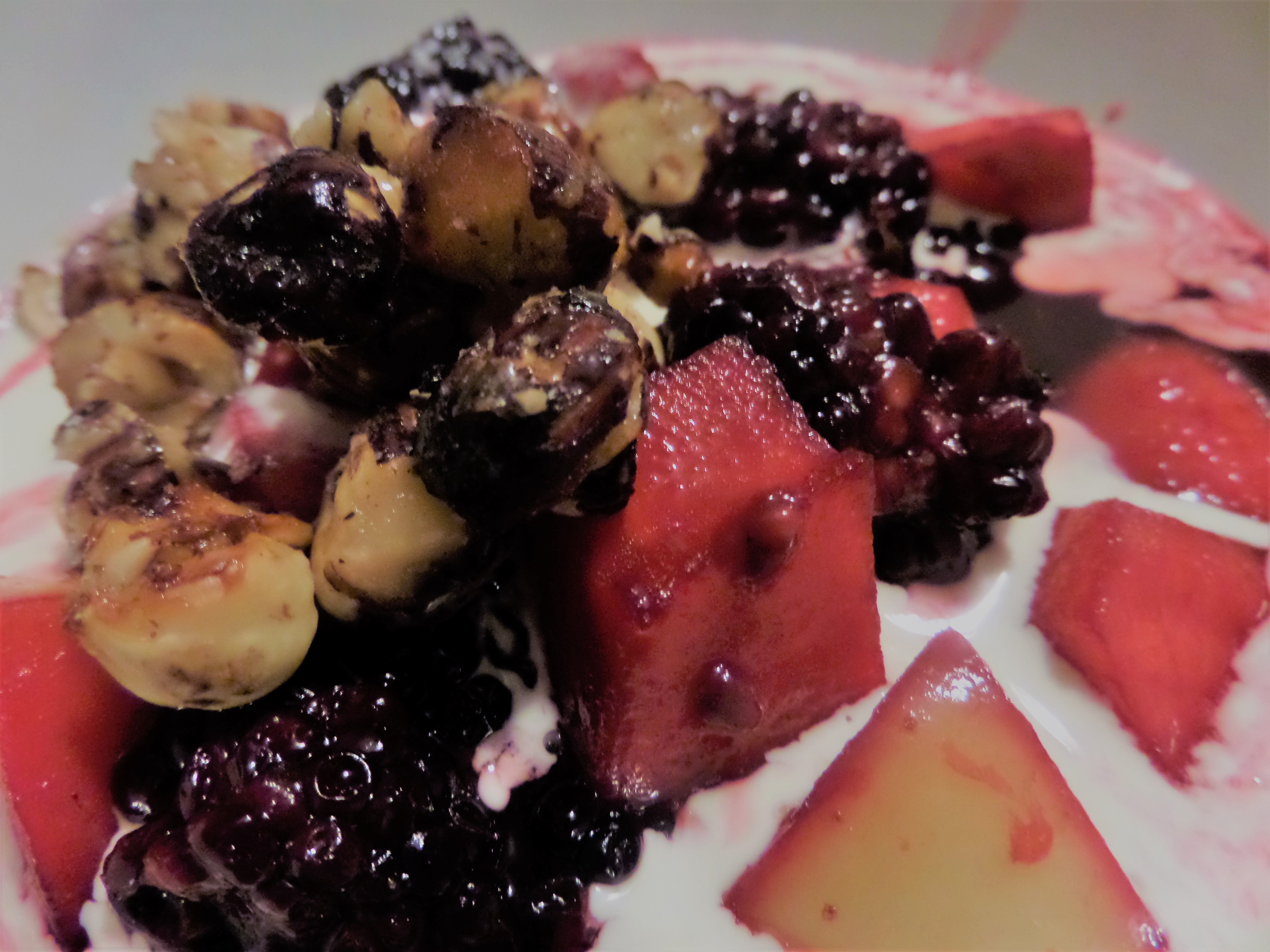
I cooked apples and blackberries sweetened with honey and made a crunchy topping with hazelnuts cooked in butter and more honey. Served up with a big jug of cream. This went down very well – you can’t really go wrong with fruit and cream can you?

Would our prehistoric ancestors have eaten anything like this? I have no idea, but it tasted good so I’m going to assume they might have done.
I did enjoy reading about prehistoric cooking and trying to recreate these recipes. I can’t say any of them are likely to reappear on our table any time soon, except maybe the cheese which was fun to make and when I worked it out was less expensive than buying flavoured soft cheese. A few more spices would be good for my next cookbook challenge though, I think.
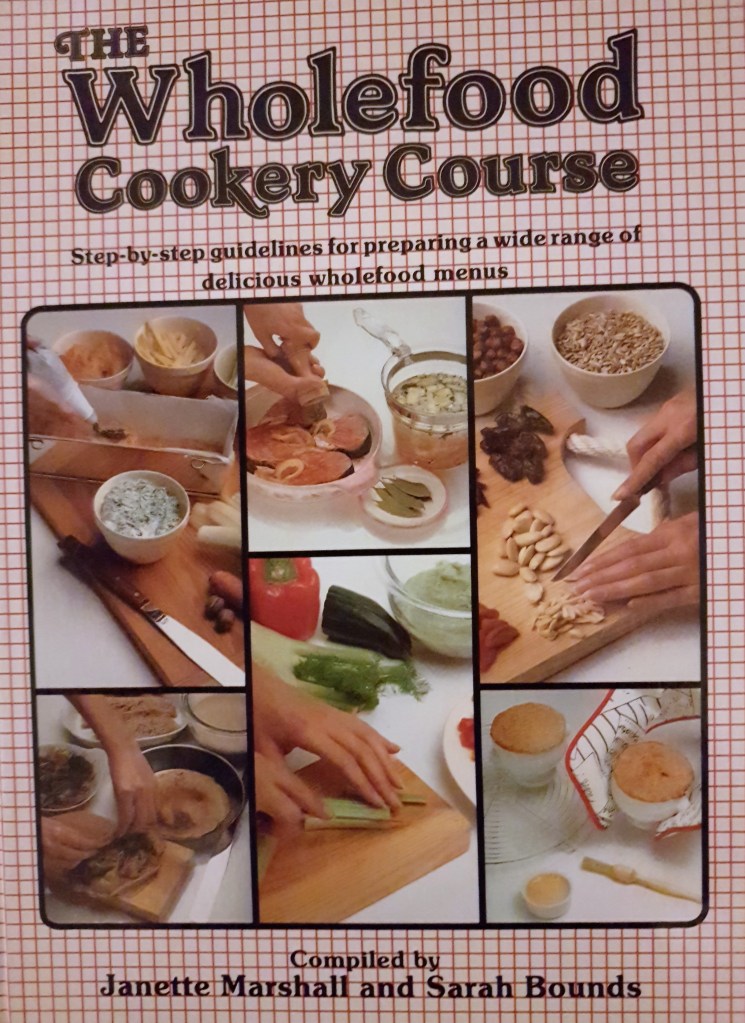
Eighties Cooking: The Wholefood Cookery course

Cookbook Challenge Week 5

See my previous post for more about this book

Today in the UK it’s Mother’s Day, so my dinner is being cooked for me while I sit on the sofa eating chocolates and writing about what I cooked last night. This was the least successful meal so far, and to be honest I think my family would prefer me to stay on the sofa and not make anything else from this book!

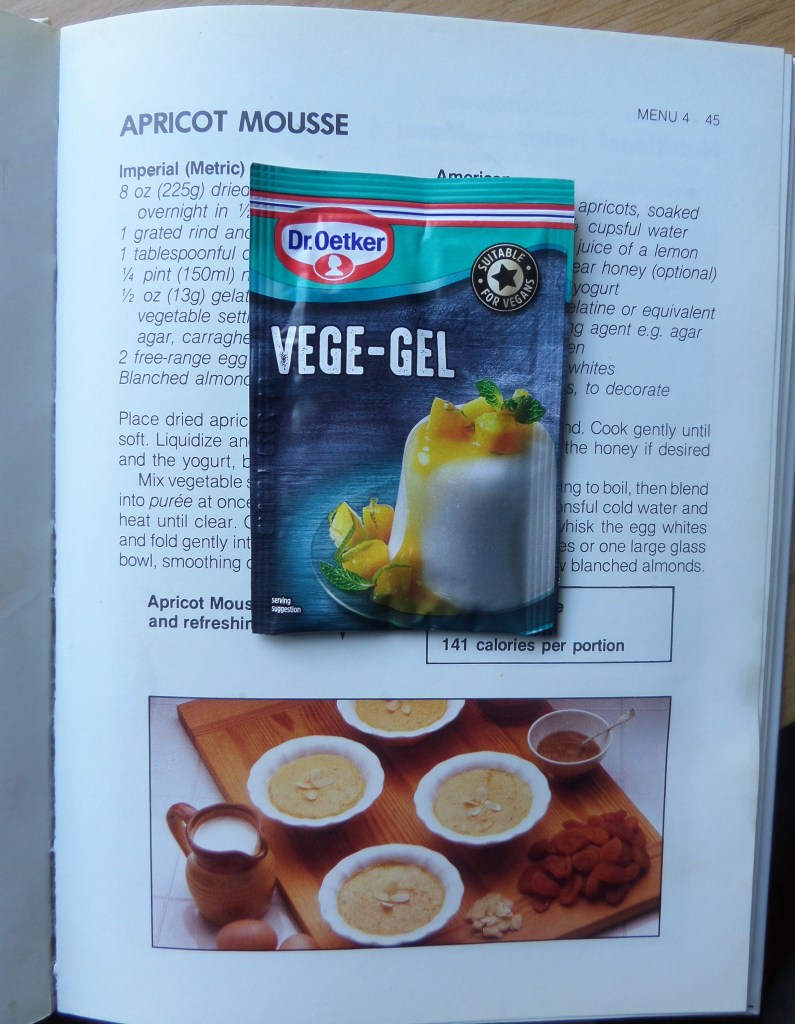
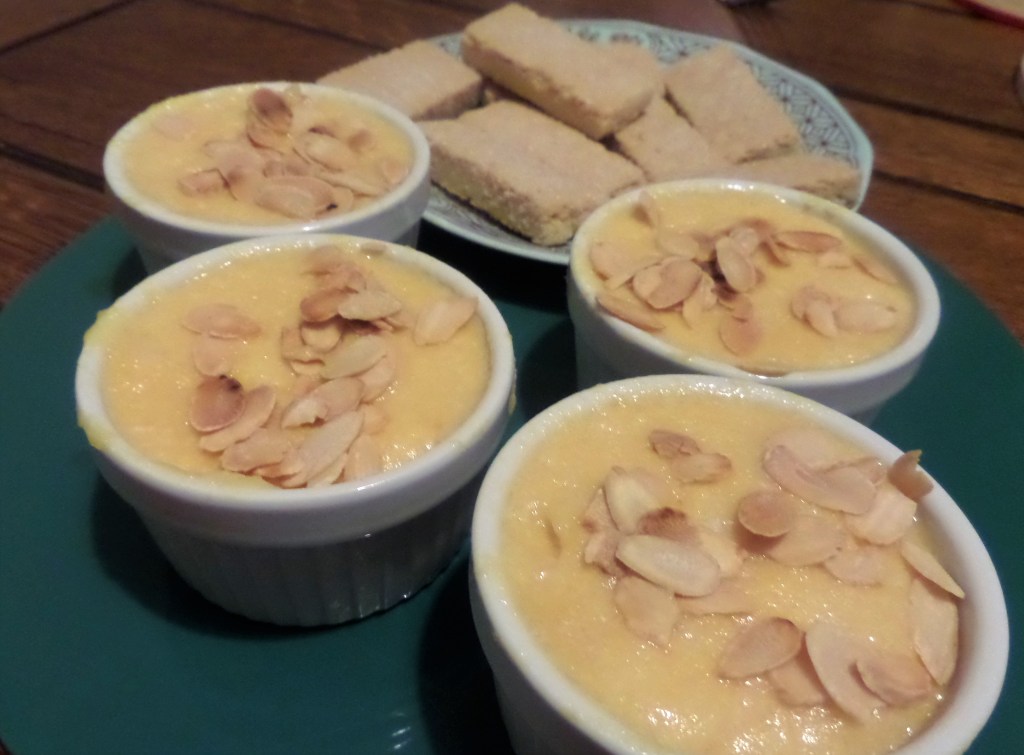
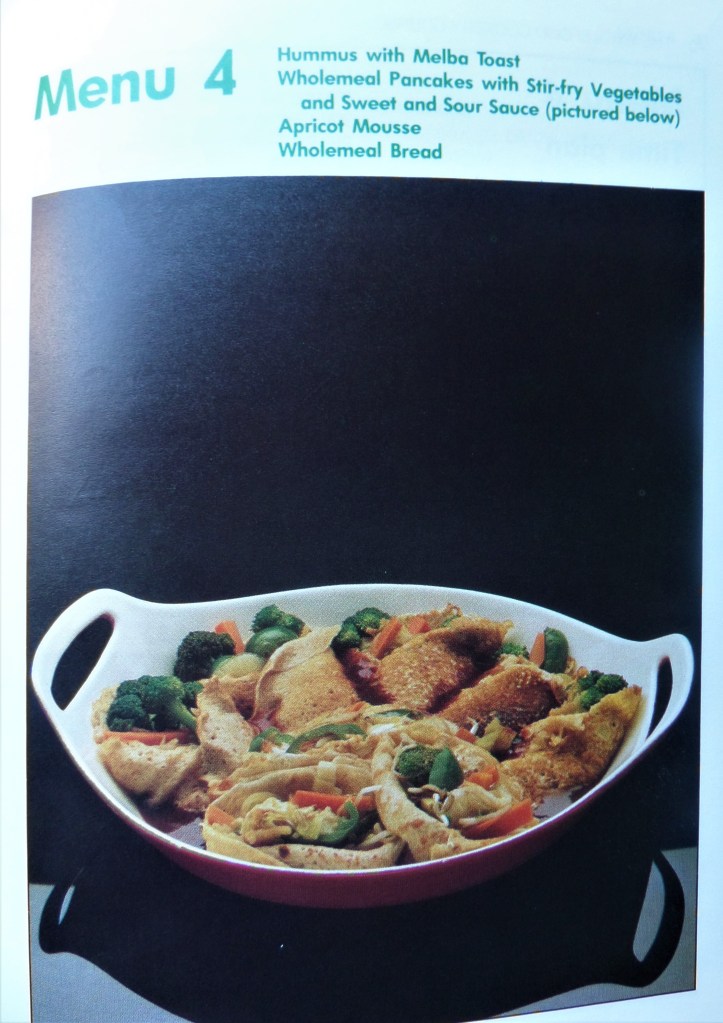
The book contains several menus and the one I picked included wholemeal vegetable pancakes with sweet and sour sauce, followed by apricot mousse. It also suggested making wholemeal melba toast with houmous, but I could not see the point of making a lovely fresh loaf just to slice it up and make dry toast, and anyway it seemed like quite enough high fibre food for one meal. Each menu includes a basic timeplan and is followed by nutritional notes. I was surprised to learn that even if I had made the full menu it would still not quite meet the recommended daily fibre allowance and most people are not eating anywhere near the guideline amounts.

I made the mousse earlier in the day as I needed to cook and puree the apricots (which had been soaked overnight), and having learnt from my mango ice cream experience I wanted to allow time for it to cool and set.

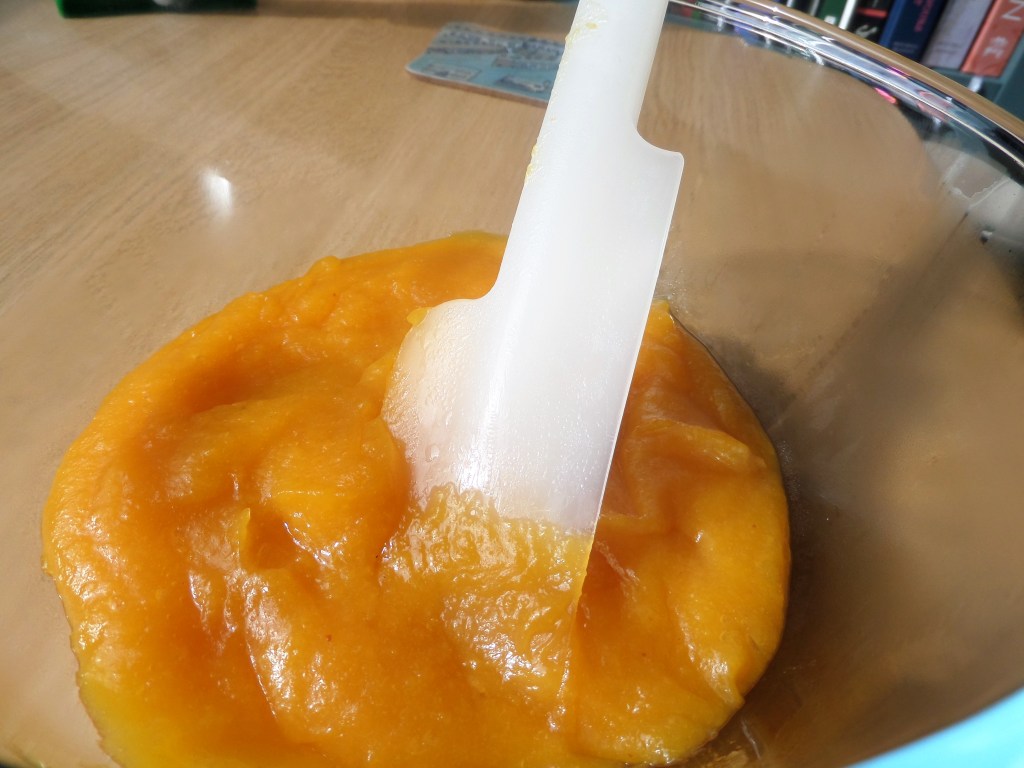
The apricot puree – pretty colour isn’t it? My dried apricots contained sulphur dioxide to keep the colour. Organic ones would be brown, but those are the ones to use if you are worried about allergies or sensitivities.

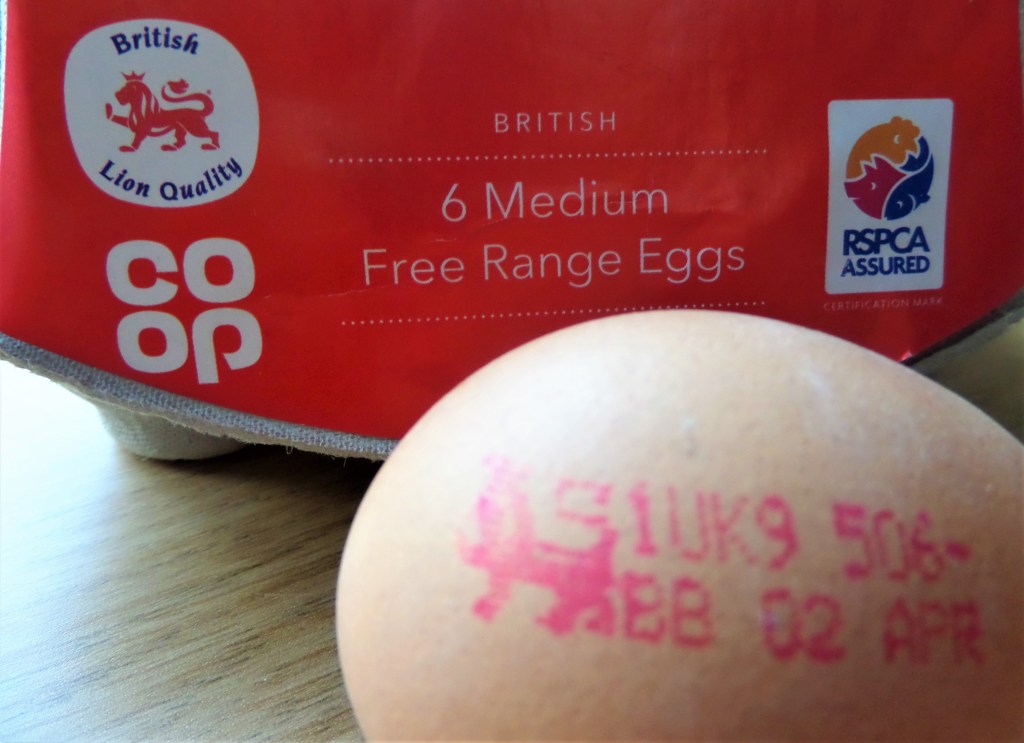
The recipe includes two stiffly beaten egg whites which are folded in at the end. Now, this book predates the UK ‘salmonella in eggs’ scandal of 1988, in which the Junior Health Minister Edwina Currie stated that most British eggs were contaminated with salmonella. This caused a huge scandal, a 60% reduction in egg sales and led to her resignation. Even though the statement was not actually quite correct, for years afterwards recipes warned that children, the elderly and pregnant women should not eat raw or lightly cooked eggs. Fortunately chicken farming has improved since then and in 2017 the Food Standards Agency advice was updated to say that raw eggs with the Lion mark are safe again for most people.

Here is the Lion mark on the egg box and stamped on the egg so we know it’s safe.

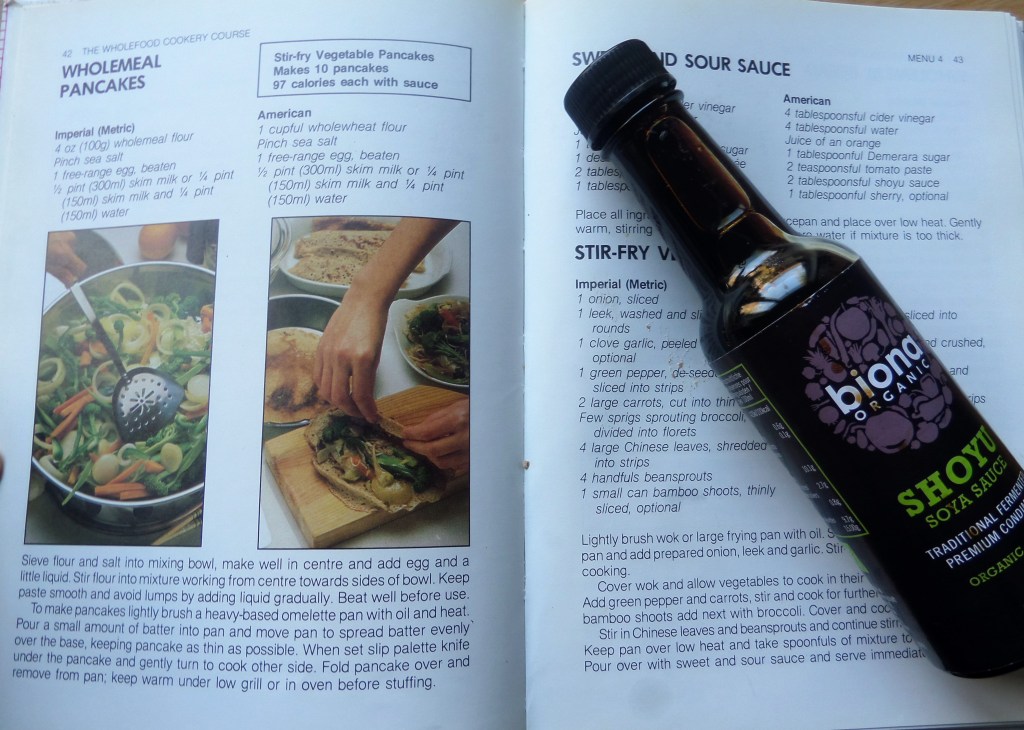
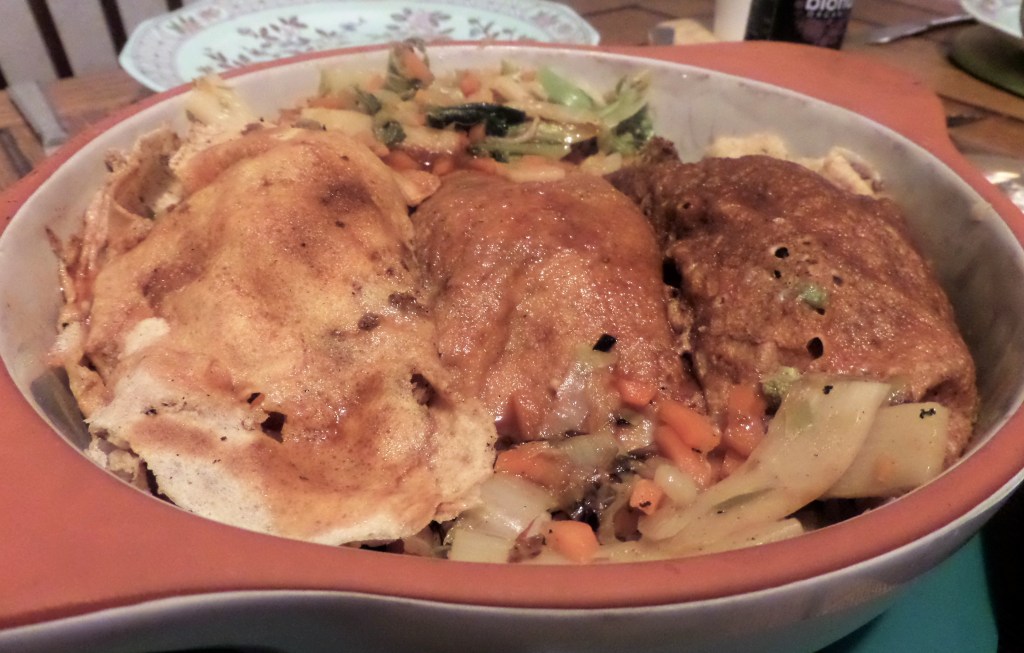
The vegetable stir fry included a large amount of veg (which I shredded in my food processor) but no seasoning apart from one optional clove of garlic. The sweet and sour sauce did contain salt from the shoyu, but I knew a big pile of plain vegetables was not going to go down well, so I cooked them in flavoured oil and also added a green chilli, a pinch of salt and some 5 Spice seasoning. The vegetables were fine, but the main problem with this recipe was that I really can’t make pancakes! I admit that is a problem with the cook rather than the recipe itself, but I had to make two batches before I had enough that were whole enough to wrap around the filling.

If you’ve read previous cookbook challenge posts, you may have noticed that I like to try and pair some wine with the recipes. This time it was a Gewurztraminer from the Alsace region – slightly sweet with some tropical fruit notes and often paired with spicy food and desserts including dried fruit. It was probably the best part of this meal!

I can’t say I really enjoyed cooking this. It was extremely hot work to cook all the pancakes and them keep them warm while I cooked the stir fry and the whole thing generated a lot of washing up.

The food was not bad, but not particularly good either. My sons thought the stir fry was OK, but did not think it went well with pancakes – even though they like pancakes they would have preferred rice or noodles with this. Son two also found the sauce far too acidic even though I added extra sugar. The mousse had a good apricot flavour but was a bit intense – my eldest son ate it but didn’t ask for any more and the younger one did not like it at all.

On reflection, I don’t think I’ll be revisiting this book. It seems very much of its time, whereas now Instagram is full of posts showing far more appealing and tasty looking dishes. Healthy cooking has definitely moved on and that’s for the best. Which healthy recipe books do you recommend?

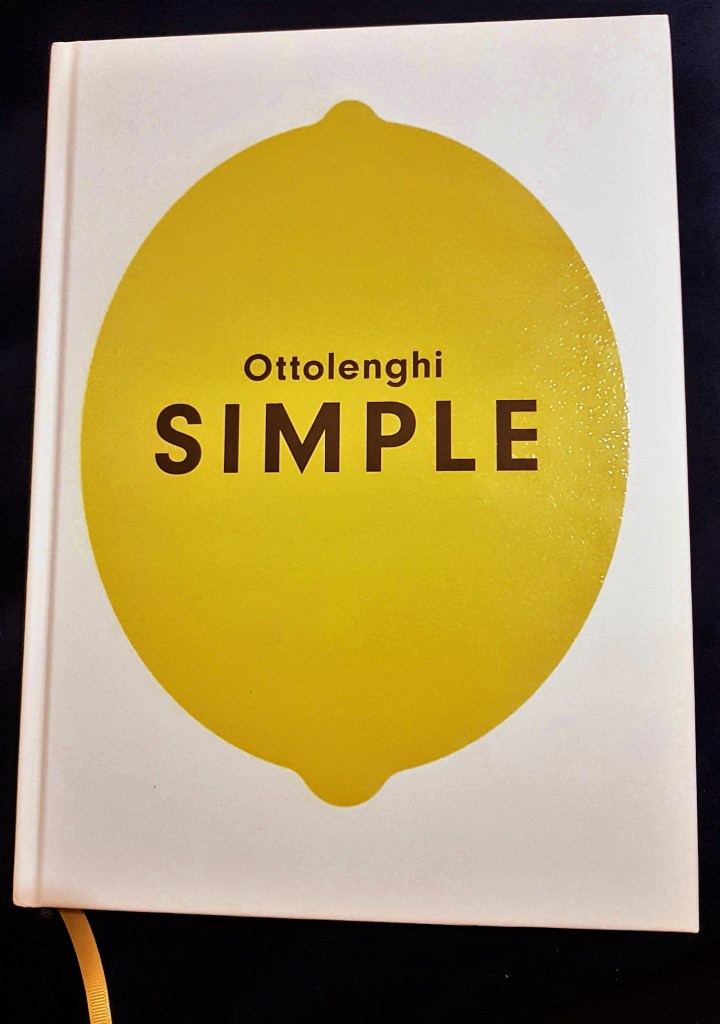
Ottolenghi: Simple

Cookbook Challenge Part 3

This week the book was chosen for me, as explained in my previous post https://bexknits.wordpress.com/2019/03/13/a-new-book-for-the-challenge/

It’s an interesting book to look through, with some unusual ingredients and combinations. There are lots of things I would like to try, but the son who chose the book also chose the recipes. He’s not a fan of aubergines or courgettes, ruling out a few things that I may try another time when I’m just cooking for my husband.


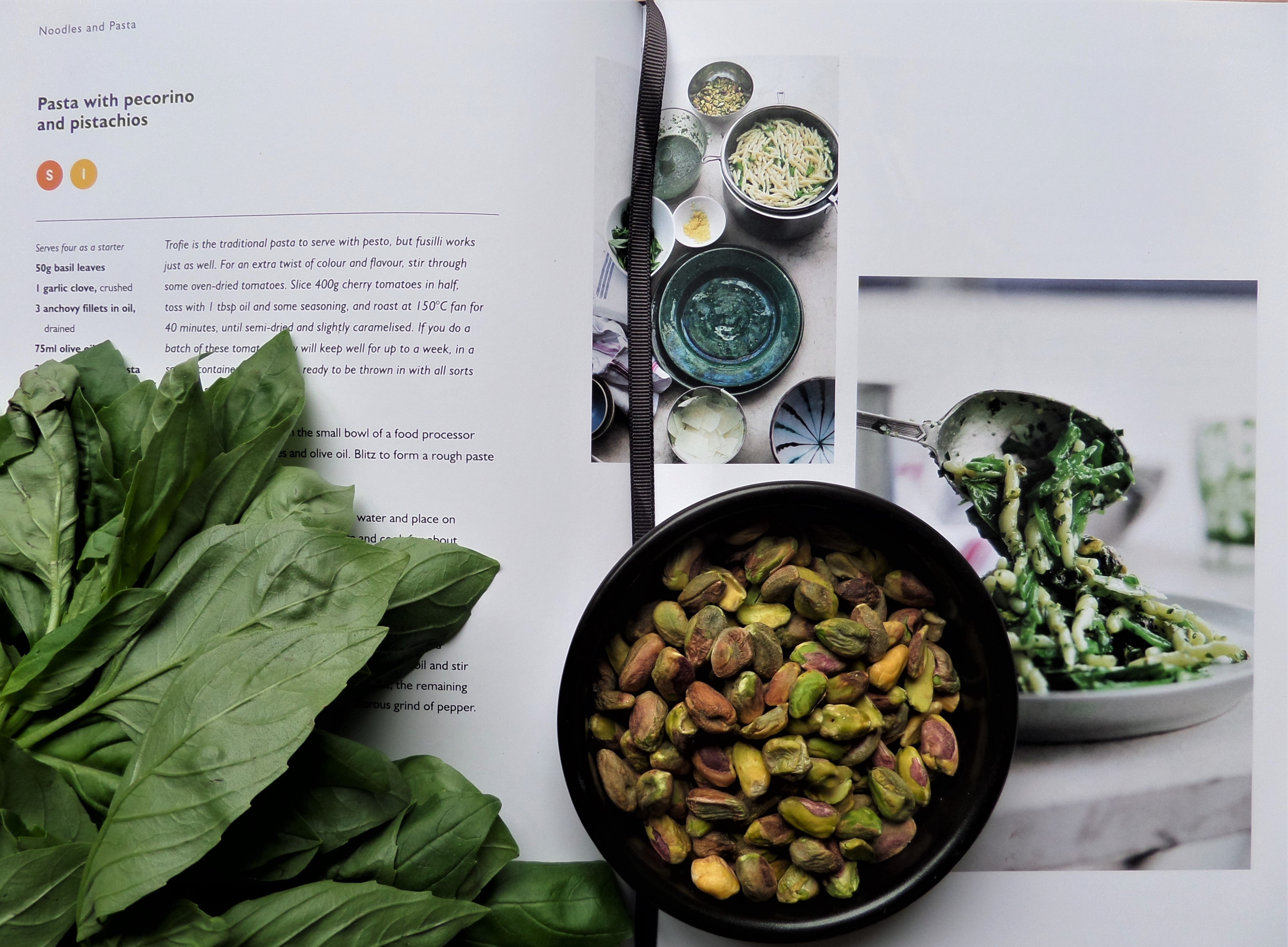
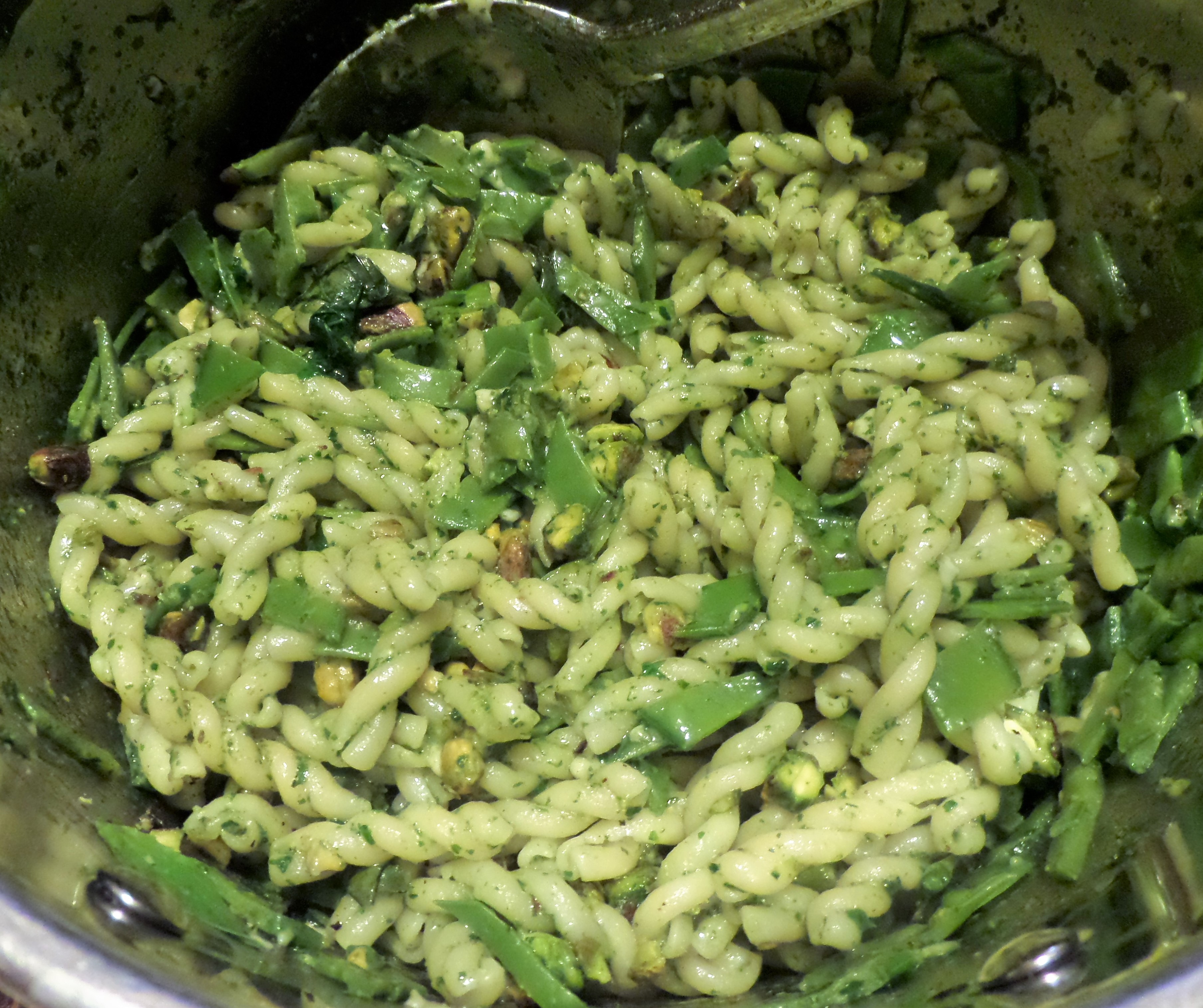
He picked a pasta dish for the main course – with pecorino and pistachios. This is basically a pesto recipe, but with chopped pistachios to add a bit of texture and a slightly sweeter flavour. The dish includes mangetout so there is a fresh vegetable in addition to the pesto sauce and another different texture. Mangetout is usually one of the easiest possible vegetables to use, however in this case you need to finely slice them all into diagonal strips – not difficult but not exactly simple either!

It was really good – plenty of sharp pecorino cheese, fresh mangetout and lemon zest and the crunchy nuts. I couldn’t get dried trofie pasta, so this is gemelli.

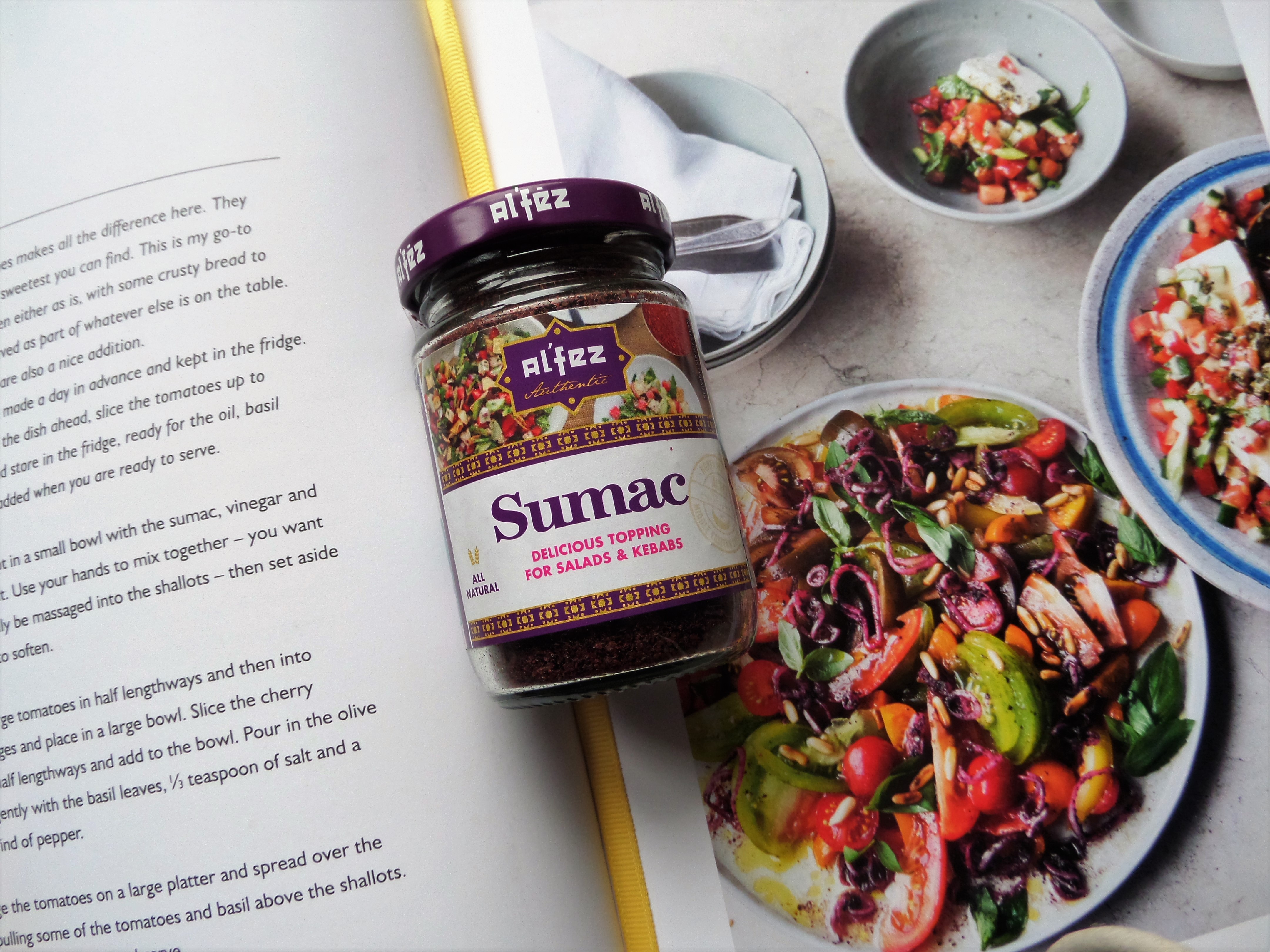
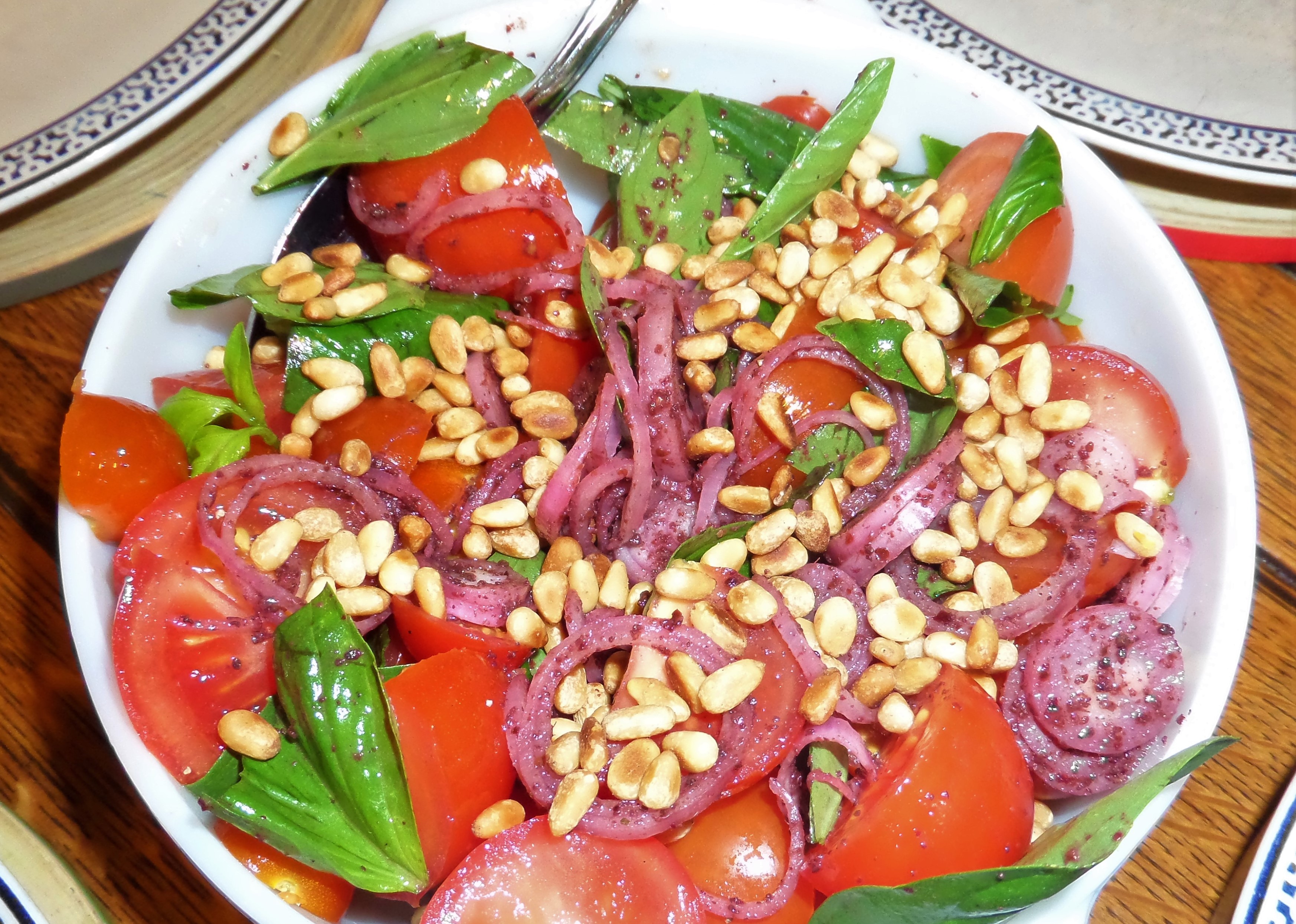
I made a side dish with this: tomatoes with sumac onions. It’s not the right season, so it’s not possible to get a variety of juicy heritage tomatoes like the ones in the picture, but I was able to get some reasonably ripe ones which I left on the windowsill to get as tasty as possible. I just wanted something red to contrast with the green pesto and also wanted to use the sumac as it’s one of the key ingredients in the book.

The sumac onions were delicious and really were simple and easy. I would make those again to put on other salads.

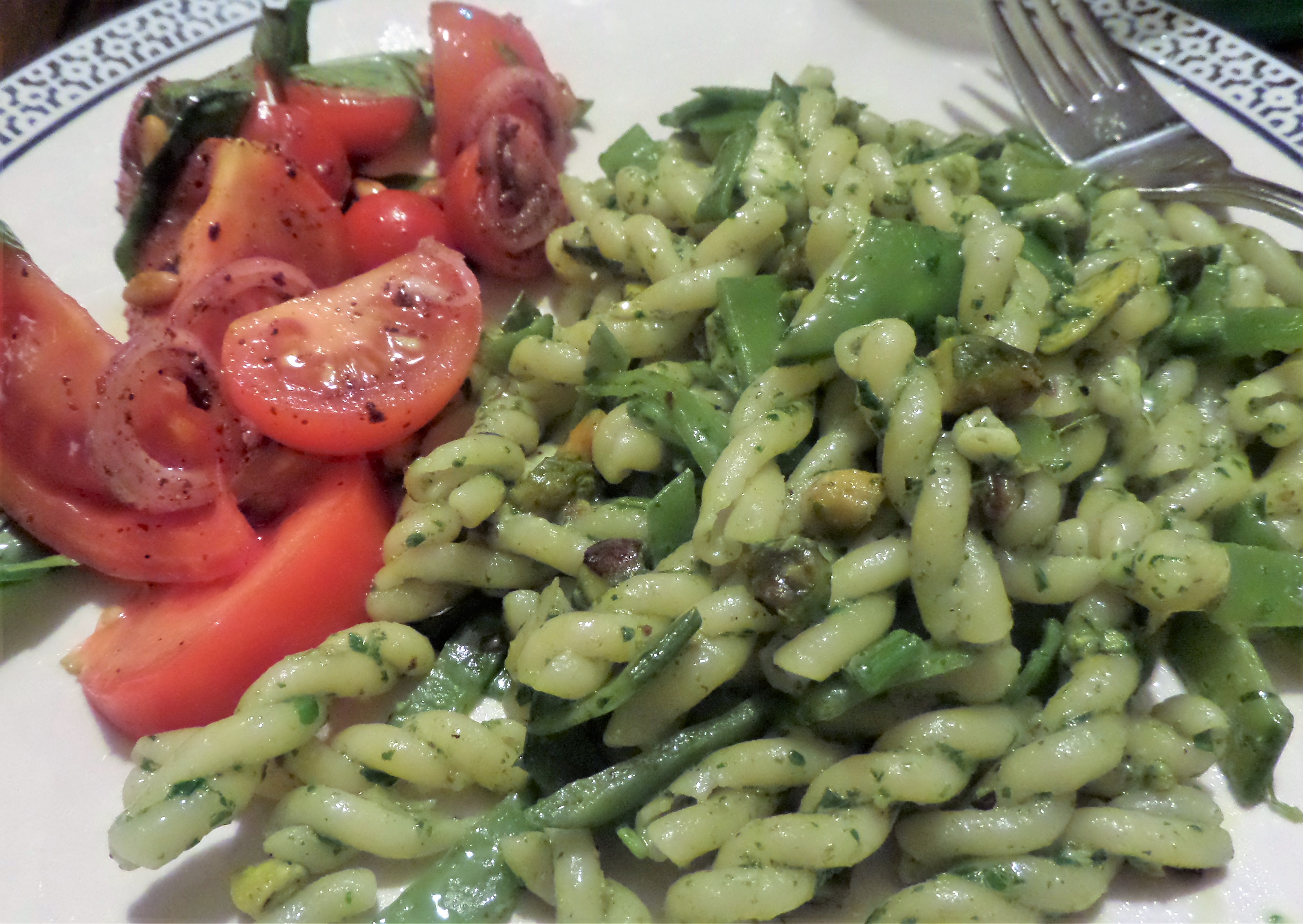
I like the red and green together on the plate. Both recipes contained basil and nuts, but the flavours were very different and a good contrast. My family loved this, including the salad.

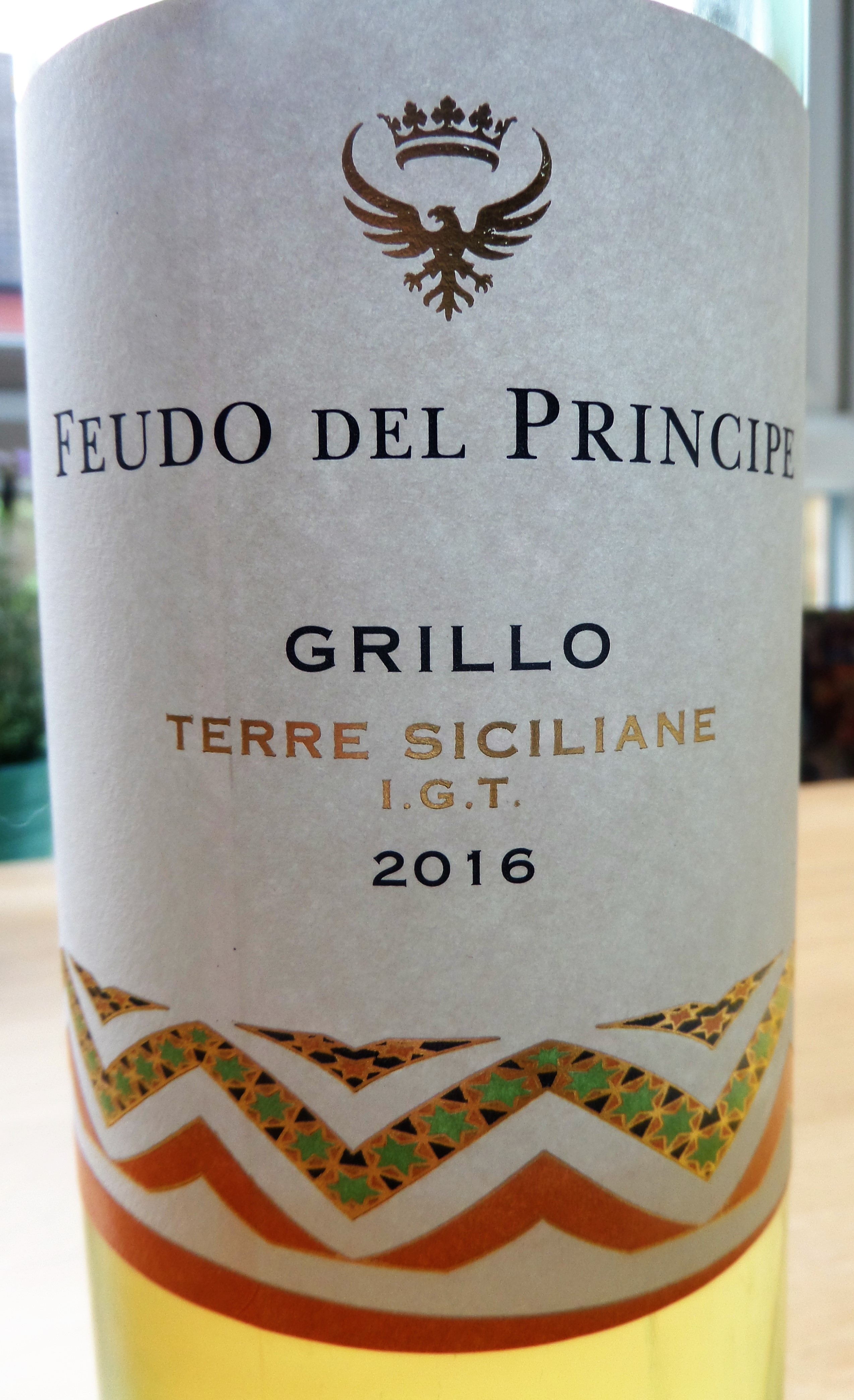
Here’s the wine we drank with it. I wanted something Italian and I had read that Grillo should go well with pesto. It had a slight mineral taste which worked well.

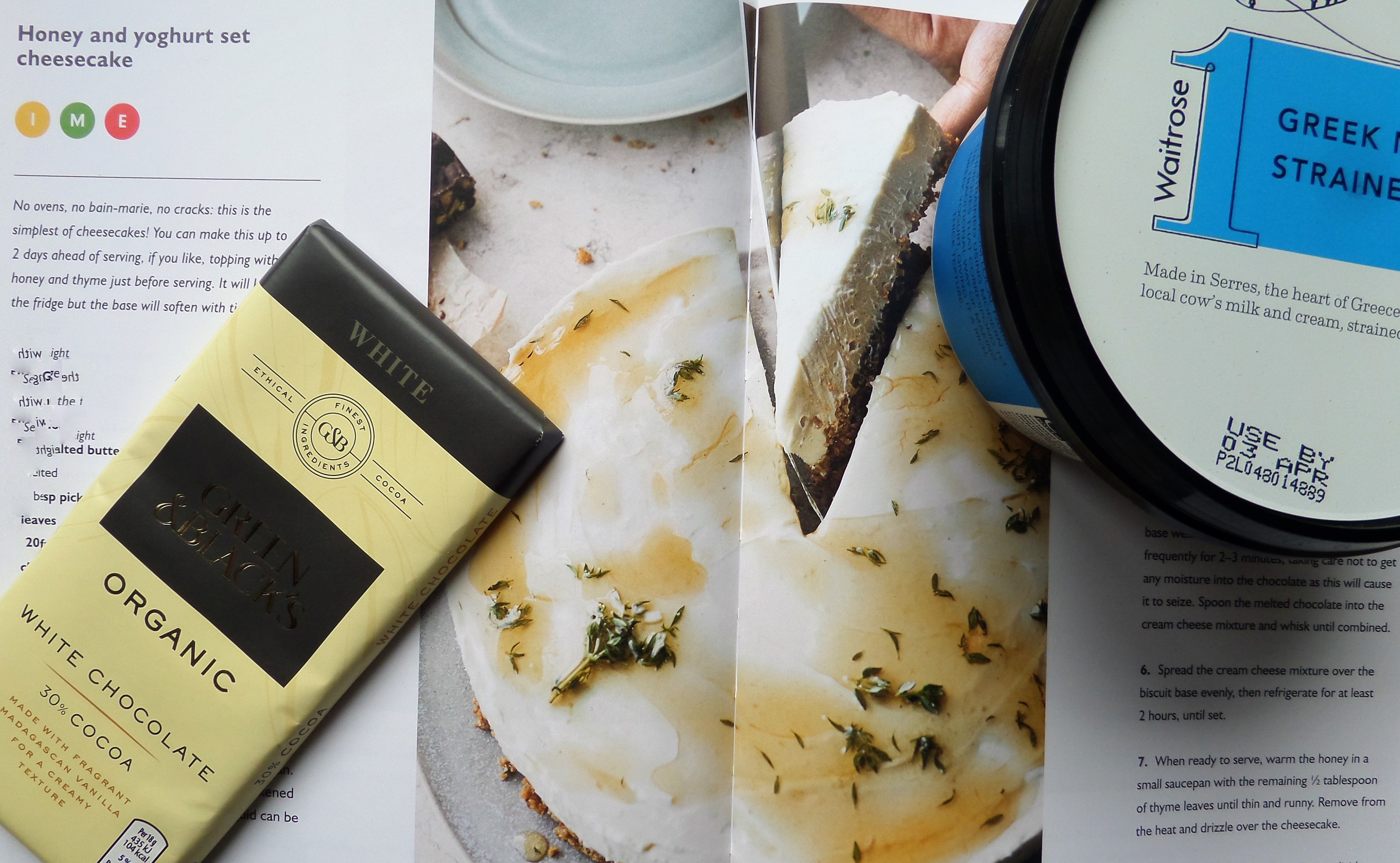
Dessert was this honey and yoghurt cheesecake. When I bought my new Kenwood Chef I asked my sons what I should make and “cheesecake” was their first suggestion. It’s very easy to make the filling in the mixer and you can also crush the biscuits for the base in the food processor if you like, but I just bashed them with a rolling pin. That doesn’t make the crumbs as fine but is more fun.

The recipe said to strain the yoghurt in a clean tea towel. My pot said it was strained already, but I followed the instructions and more liquid did come out, leaving me with the quantity the recipe said I should have. It also left me with a tea towel covered in yoghurt. I think if I did this again, I would just tip the extra liquid out of the pot and avoid the mess.

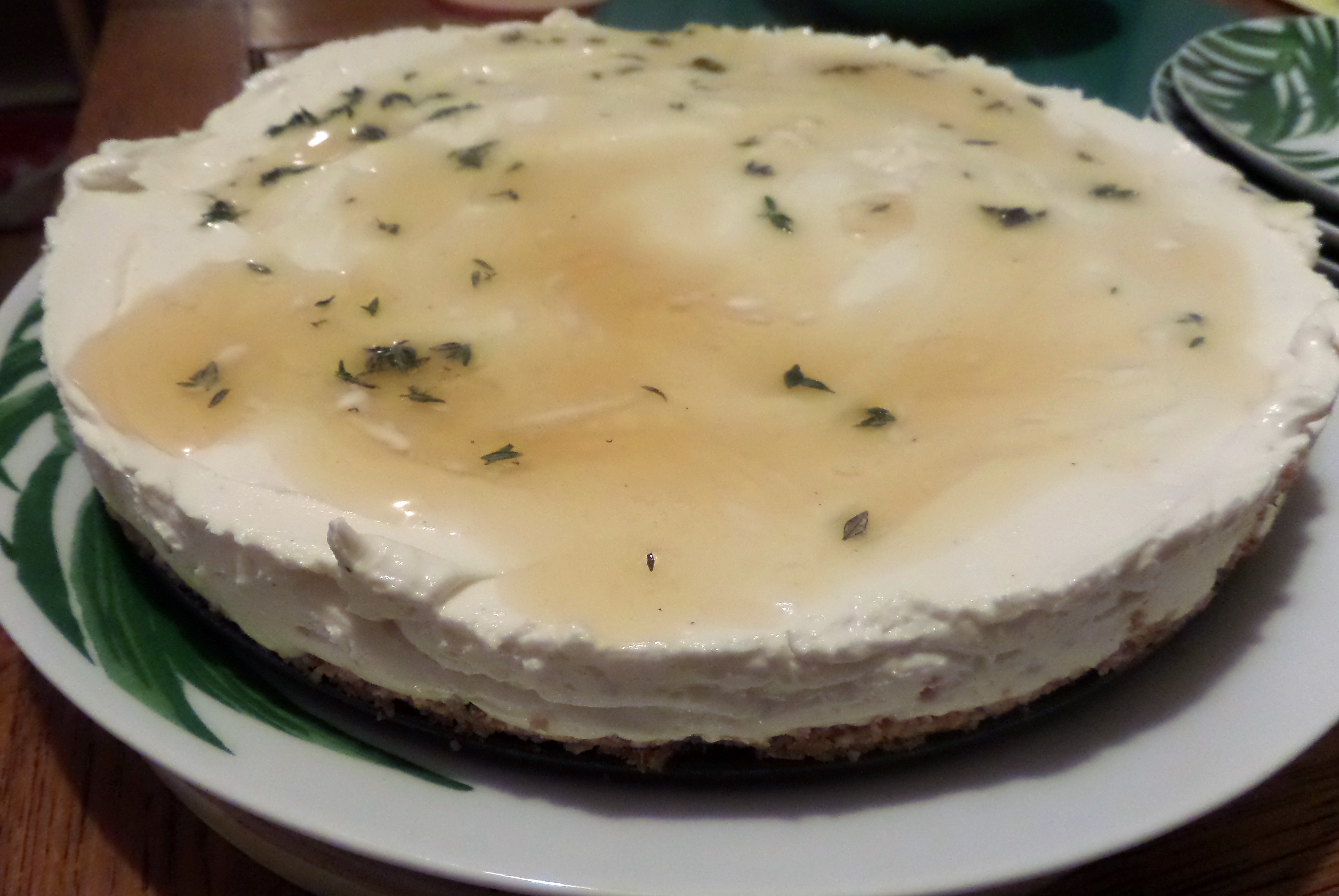
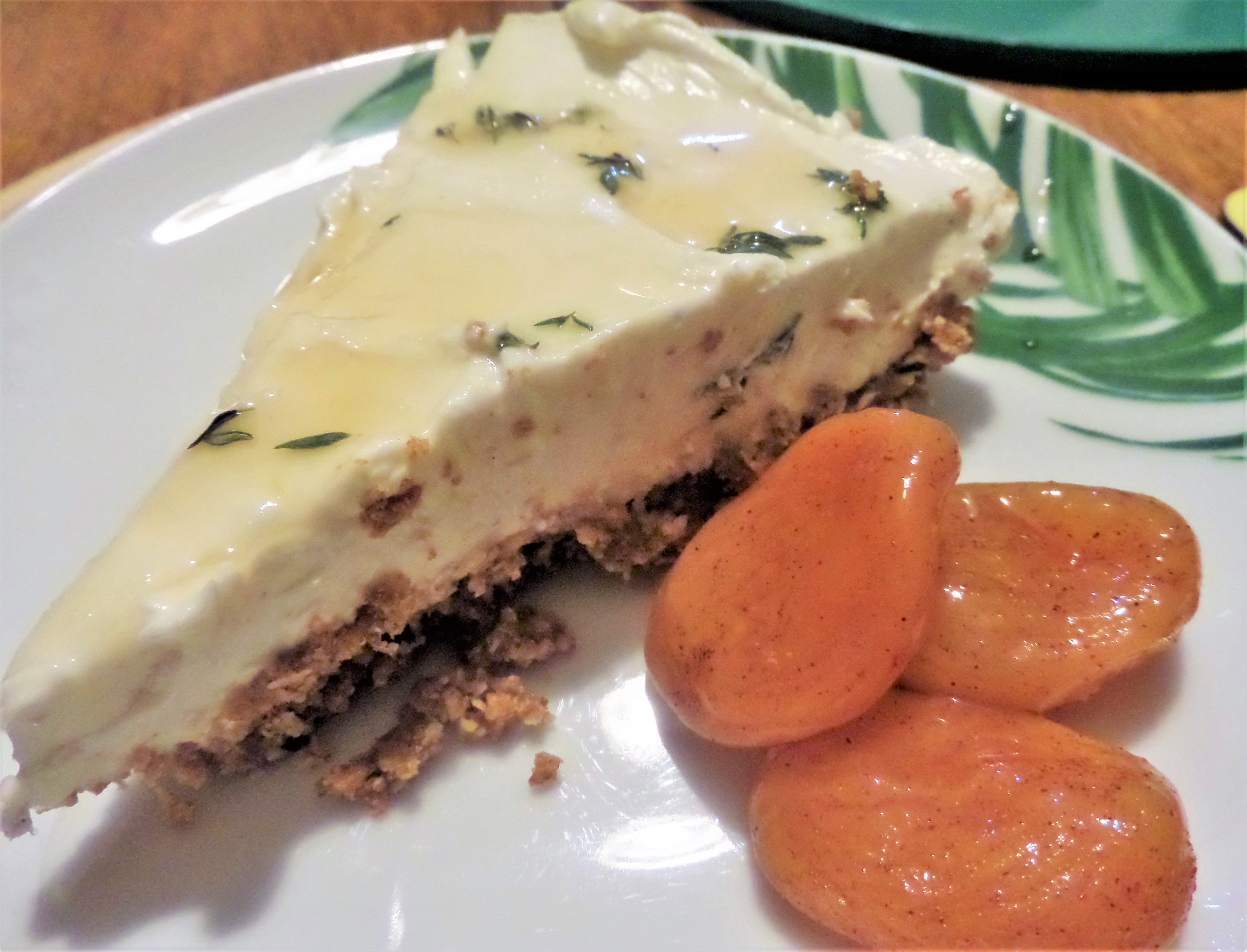
Here is the finished cheesecake. The white chocolate helps it to set, although it was still quite soft and very creamy. The green leaves are thyme, which goes in the base and in the honey drizzle. I’ve never tried using thyme in a sweet recipe before, but it worked well with the Greek yoghurt and honey and no-one complained about having leafy bits in their dessert. I served it with apricots poached with Cointreau and cinnamon. For some reason I always think dessert should involve fruit.

Everyone thought this cheesecake was lovely. It was so smooth and rich without being too sweet. It definitely needs the lemon zest; even though it’s just one teaspoon it makes a big difference.

I did enjoy making this, although it took me a bit longer than expected (too much slicing mangetout!). It was a lot simpler than last week’s complicated pie and not too much effort to make something quite impressive that went down well with the family.

A New Book for the Challenge

This week the choice of book has been made for me. My youngest son had accumulated quite a few book tokens (he is not the most prolific reader), so when he went shopping with his friends last Saturday we suggested he take them with him. That way at least he got to do some shopping without spending all the money he is trying to save for school trips. He did buy himself a book to read, but he also decided that I could do with another one for my challenge!

I was impressed by his choice, it’s a really nice book and uses some interesting ingredients. As he was so thoughtful, I had better make use of it straight away. I did say I wanted to make something more simple this time…

Follow along to see what I choose to make – I’m still browsing.