Slimming World Veggie Deluxe

Cookbook challenge part 11

Cookbook number 11 is a Slimming World vegetarian book. I lost 28lb with Slimming World and it wasn’t too painful. The plan is designed around cooking and eating normal meals, so it’s ideal for people who love food. Since loving food is what led to me carrying the extra weight (well, that and having two babies), it definitely worked for me.
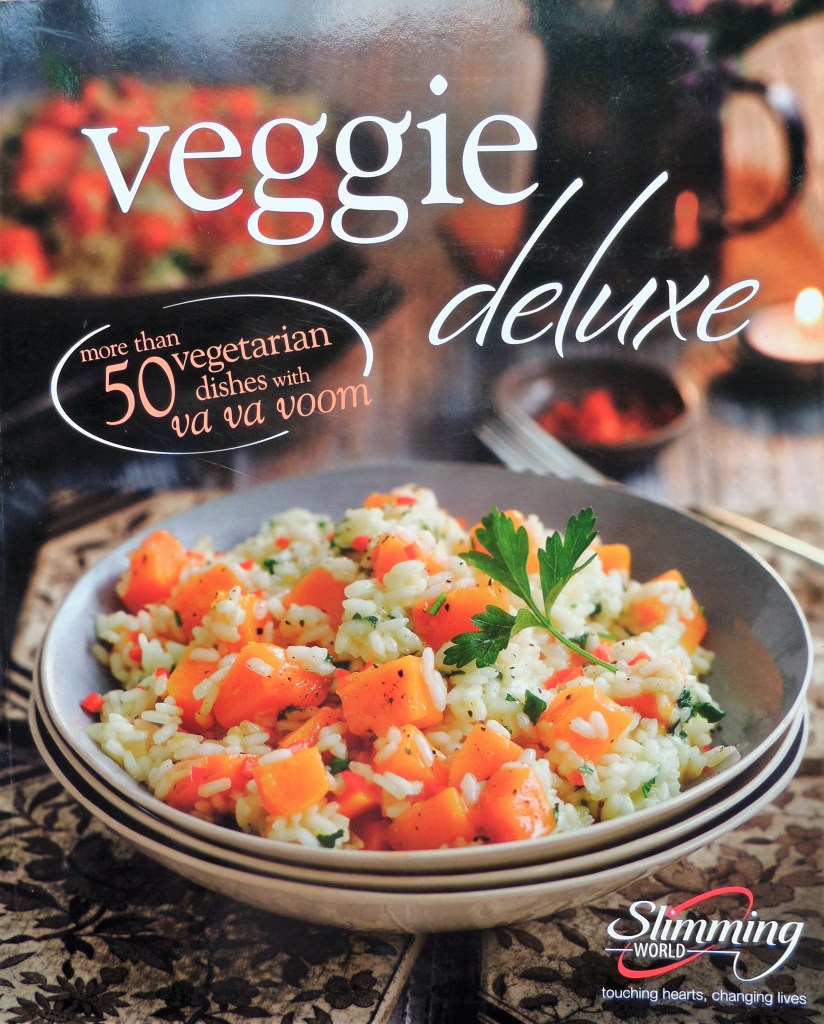
If you eat meat there are lots of Slimming World options – you can have steak, roast chicken or even a bacon sandwich. I don’t eat any of those things so it’s useful to have a book full of veggie ideas. This book doesn’t include any desserts, although there are many Slimming World friendly dessert options you could make if you wanted. I decided to have a starter instead this time.
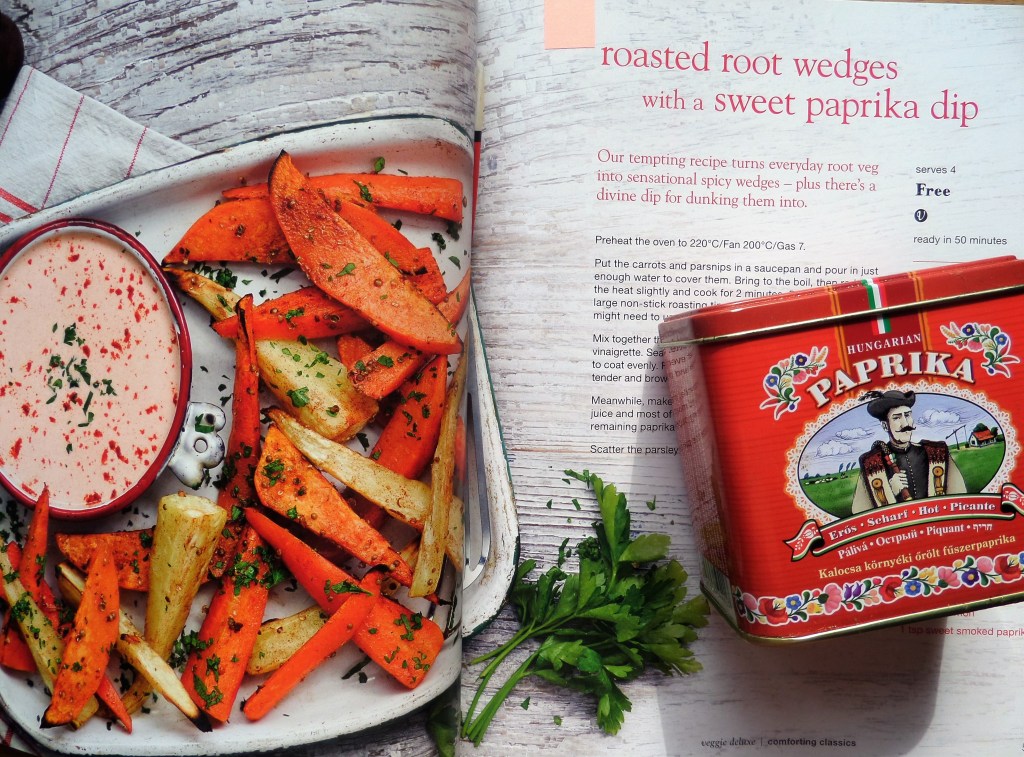
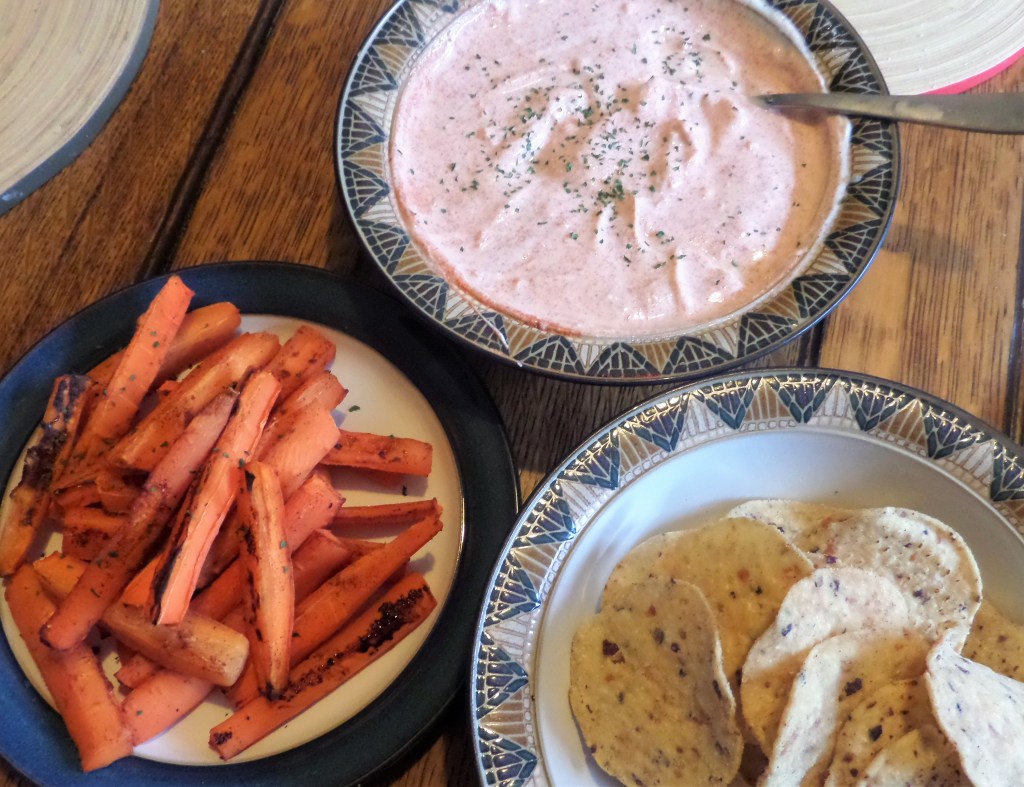
A very straightford creamy dip with roasted root vegetables to start. This was supposed to also have parsnips and sweet potatoes, but I just did carrots because of my sons’ weird aversion to sweet vegetables. The vegetables were roasted with spices, lime juice and fat free vinaigrette. I would never have thought of using vinaigrette in this way but it worked really well.

The dip was made from fat free fromage frais and lots of garlic. It tasted quite creamy – I don’t think you would have guessed it was fat free. This made a large amount of dip, but fortunately everyone liked it and asked to have it again.
The main course was this cheesy mexican bake. I did realise that this wasn’t going to work for everyone in our house as it includes not only artichoke hearts but also red and yellow pepper, celery and courgette. It does have cheese though, which usually makes everything better. It also uses tinned potatoes, which I always think taste a bit strange, but I think raw ones wouldn’t have cooked before the rest was overdone so I followed the recipe.
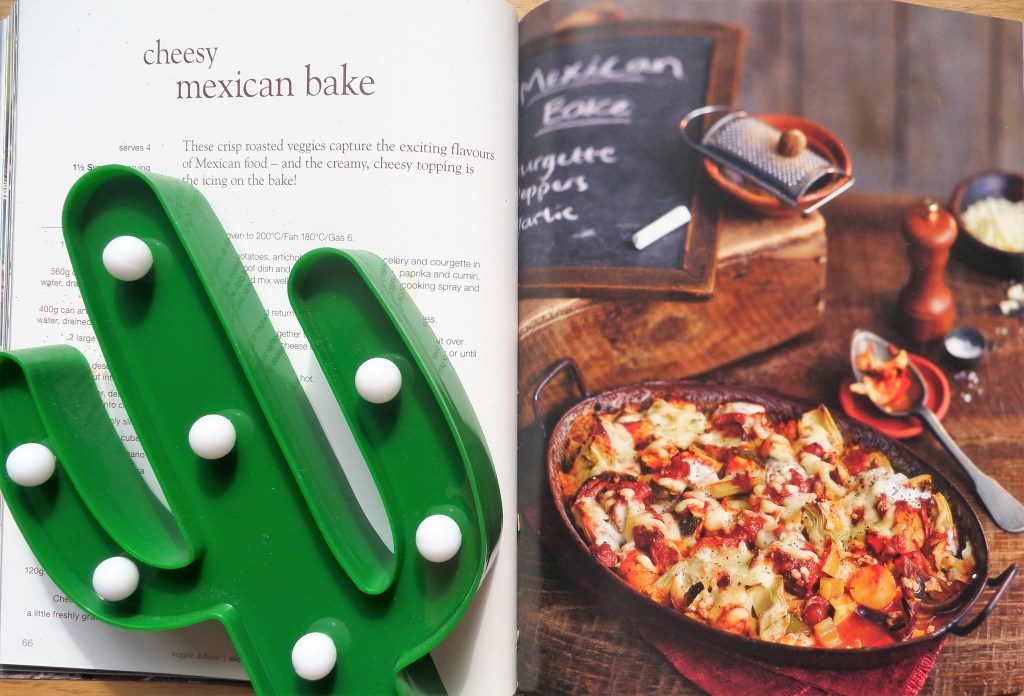
As predicted, this was not very popular with my sons. We quite liked it though, so a fifty percent success rate is acceptable. I thought maybe it would be a bit like having nachos, but it wasn’t of course, the sauce was quite runny. It was still tasty and had a bit of spice, although I felt it was improved by adding hot sauce. Many things are improved by hot sauce in my opinion!
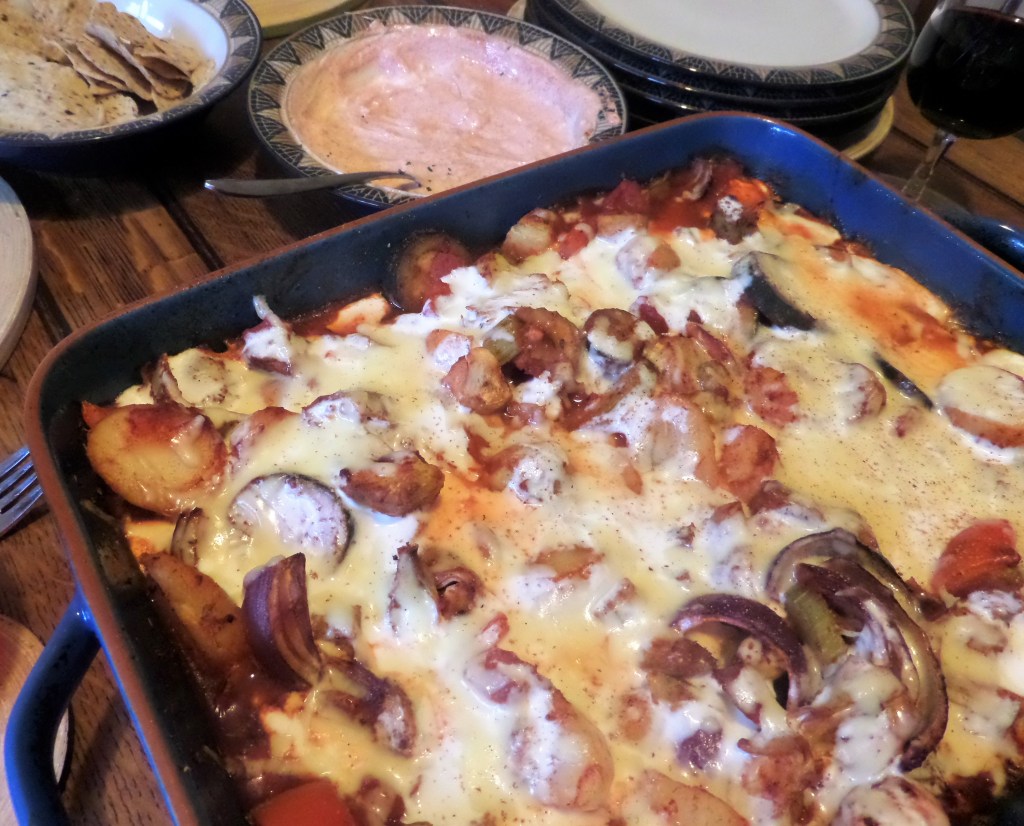
If you were cooking for people who are less fussy about particular vegetables then this would make a good meal. It was filling, especially with all the dip as well and the flavours worked well.

I think the next cookbook needs to please everyone, so let’s see what I can do!
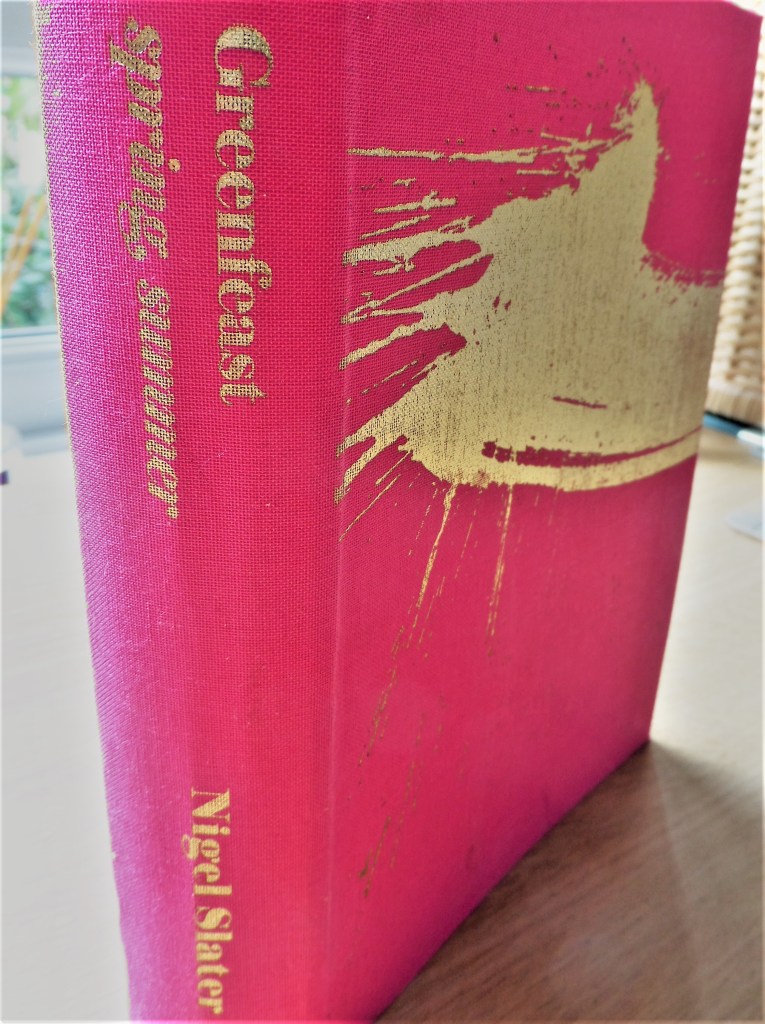
Greenfeast spring, summer by Nigel Slater

Cookbook Challenge Part 10

I’ve taken a break from blogging over the school summer holidays, although I’ve still been posting on Instagram. I have done a bit of cooking though, in between a few trips away so I have some cookbook challenges to write about. I can’t believe I’m on part ten – that’s ten cookbooks pulled off the shelf and used instead of sticking to the same meals.

It occurred to me that as this is supposed to be a Spring and Summer book I should hurry up and post this while we’re still (just) in August. Here’s the book – it’s a very pretty colour although quite difficult to take a photo that includes the title.

You can just about read the title down the side. There is a section in the back of the book which explains the brushstrokes used on the cover and throughout the book and also a couple of paragraphs about the type. It’s interesting to think about all the work that goes into designing a book like this. There are plenty of tempting pictures of all the recipes and it took me a while to decide what to make.

As I was cooking for all four of us I wanted something quite substantial, so I chose a warm dish plus a salad for the main course.

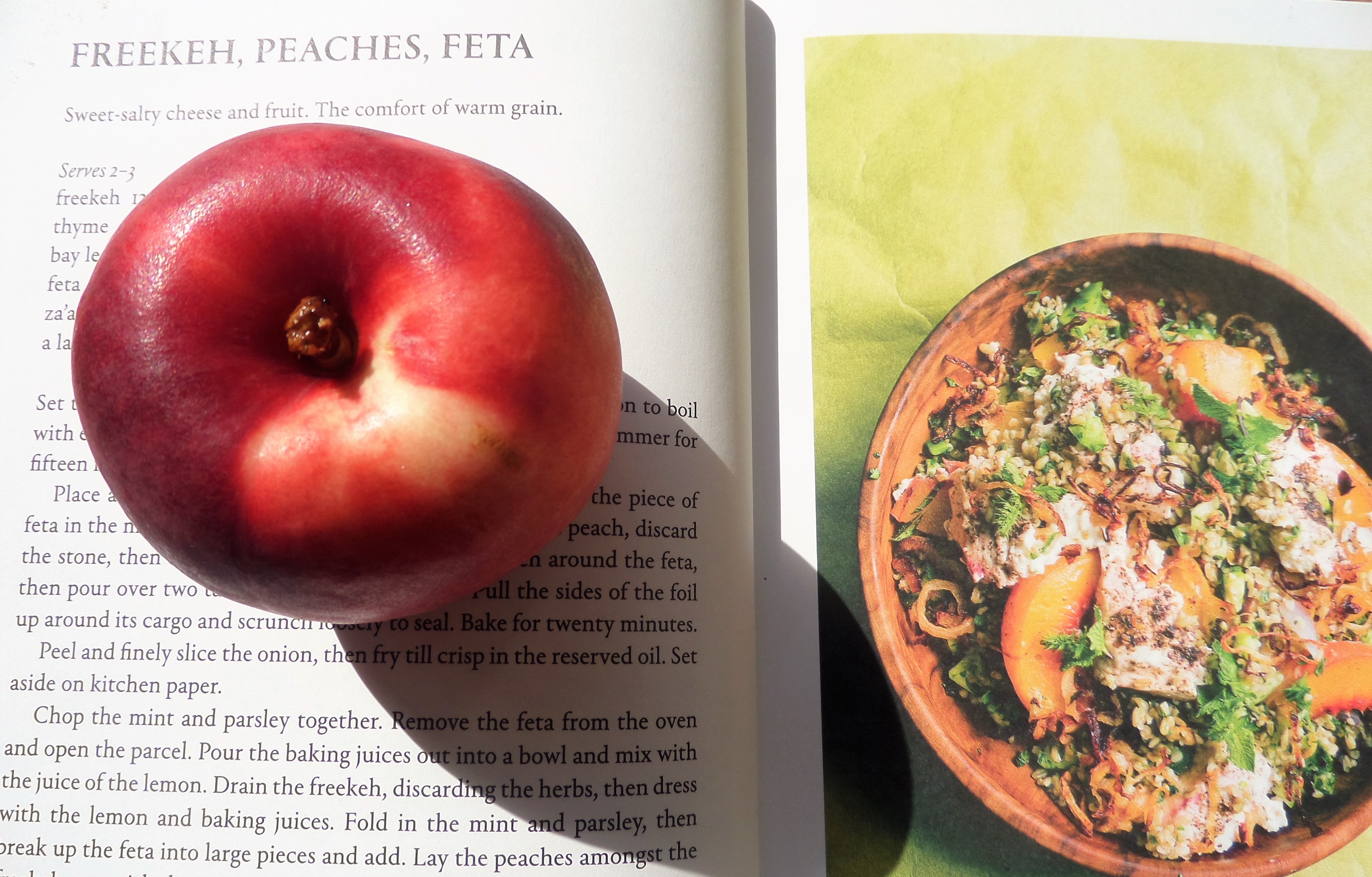
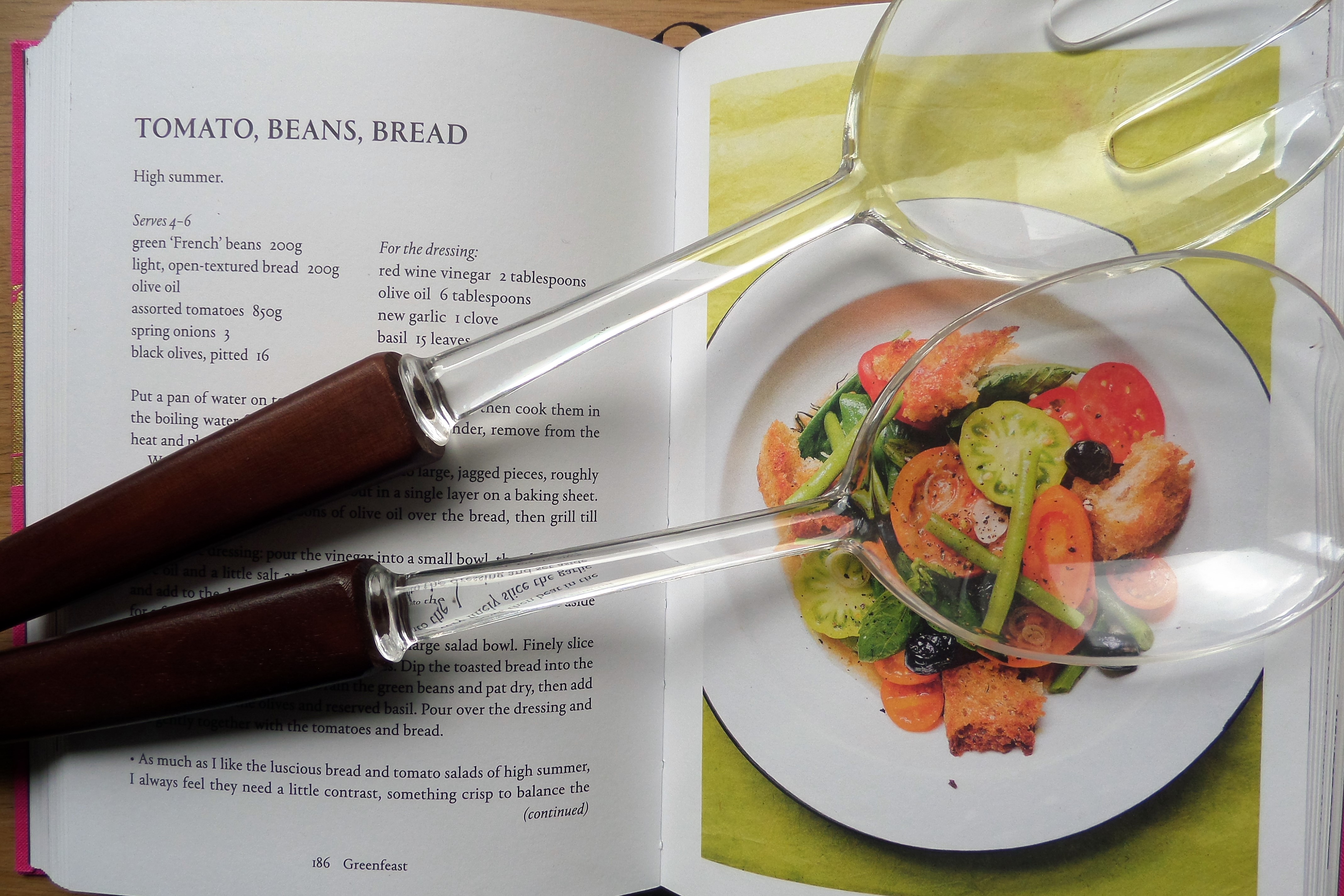
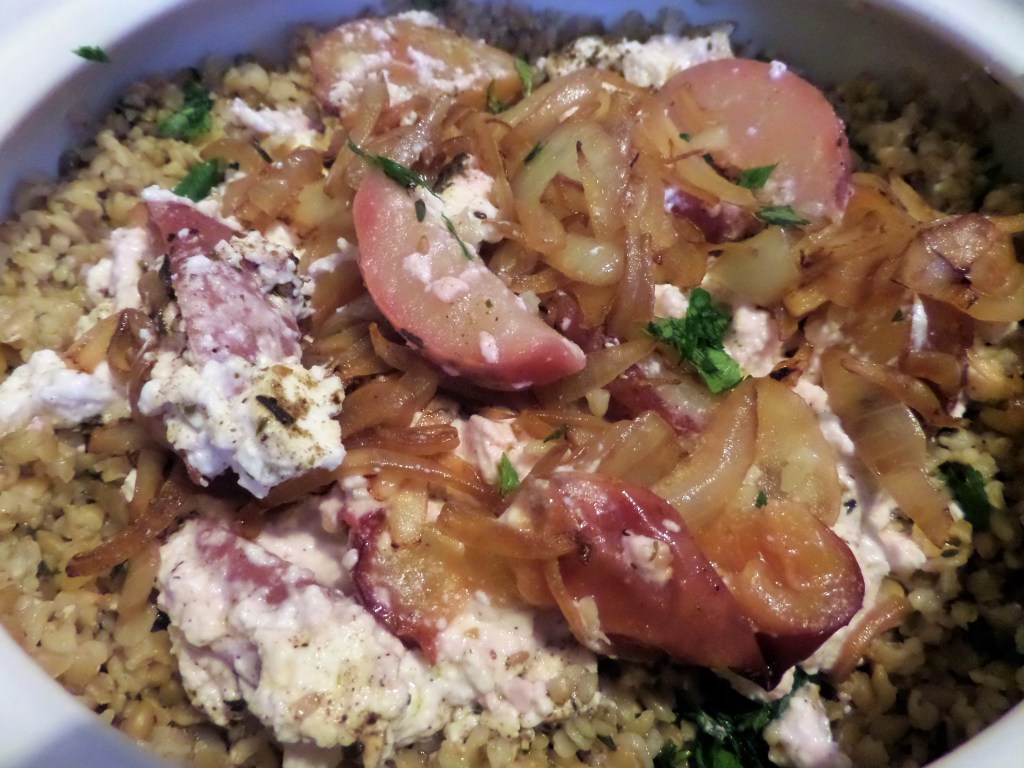
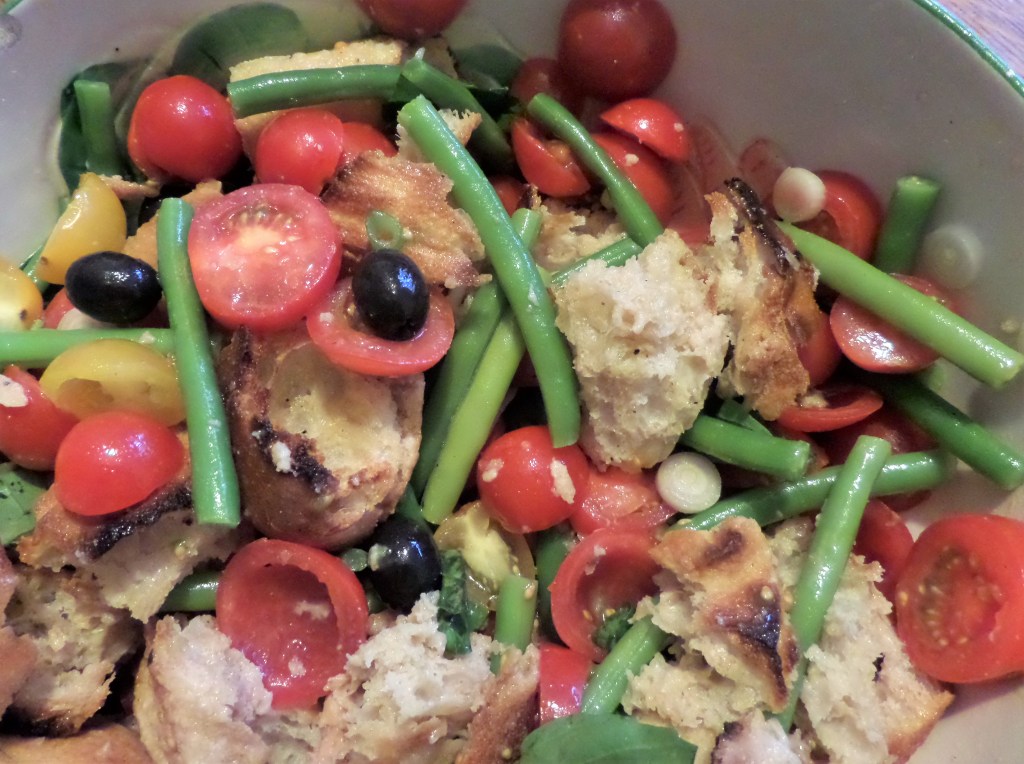
Freekeh, Peaches, Feta with Tomato, Beans, Bread. You really need to read the recipe and look at the pictures to understand what the dishes will actually be like, but the Freekeh is served warm with baked cheese and peaches and the other dish is a tomato and bread salad with olives and crunchy beans.

Freekeh is a young green wheat which has been roasted and polished. You cook it in a similar way to rice. We had never tried it before, but all of us liked it and preferred it to bulgur wheat or cous cous. It was delicious with the salty cheese and sweet peaches. I used herbs from the garden so I’m not sure if I had quite as much as the recipe says, but it seemed like a lot. I would definitely have this again. It doesn’t really look as good as it tasted. I think the feta fell apart more than it was supposed to, but that meant it mixed in with the grains easily.

The tomato salad used more oil than I would usually add to a salad as you had to drizzle the bread with oil before toasting, as well as making a dressing that the pices of bread were dipped in. It was worth it though, the oil balanced out the tangy tomatoes and vinegar and even though this made a large quantity it disappeared very quickly.

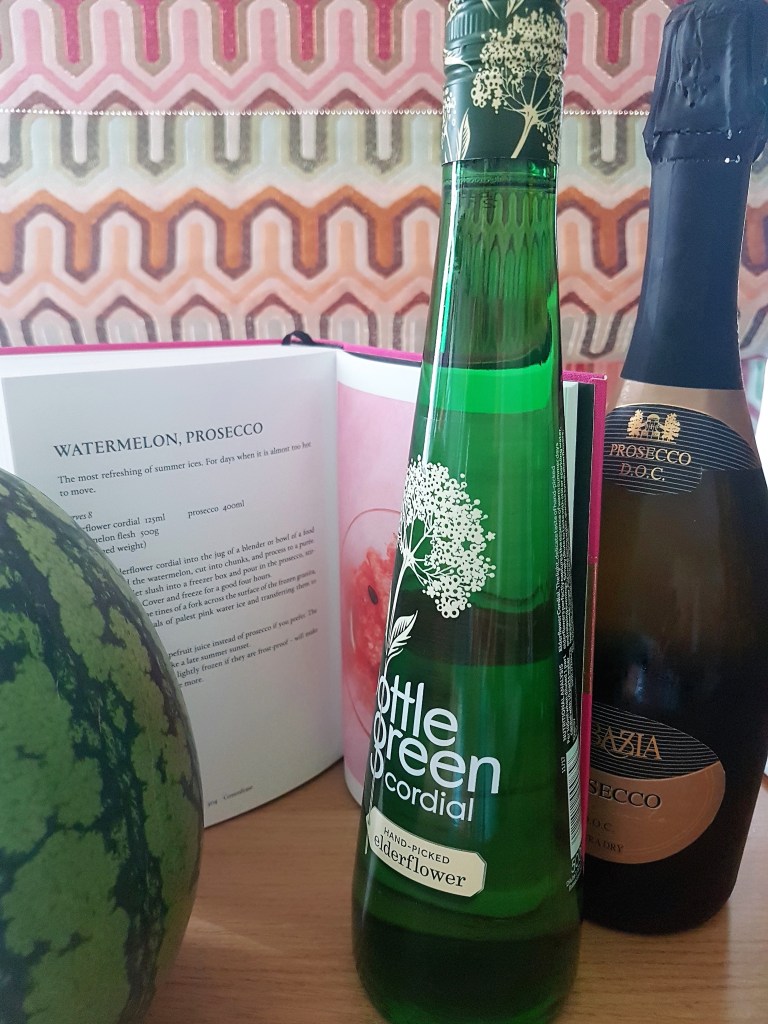
I wanted a light dessert after all the strong flavours, so I chose a really simple dish with only three ingredients

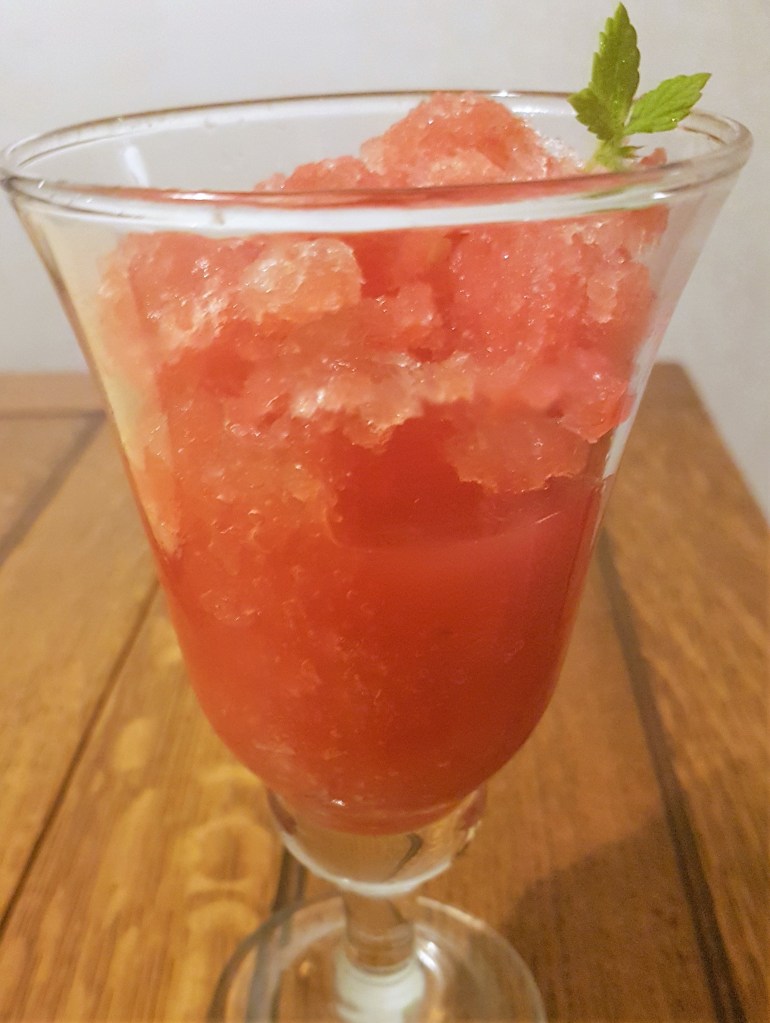
It’s a watermelon and Prosecco granita, sweetened with elderflower cordial. For once I remembered to start this early in the day so it had time to freeze, although it probably would have been even better if I’d left it overnight as it was still quite slushy in the middle of the tub.

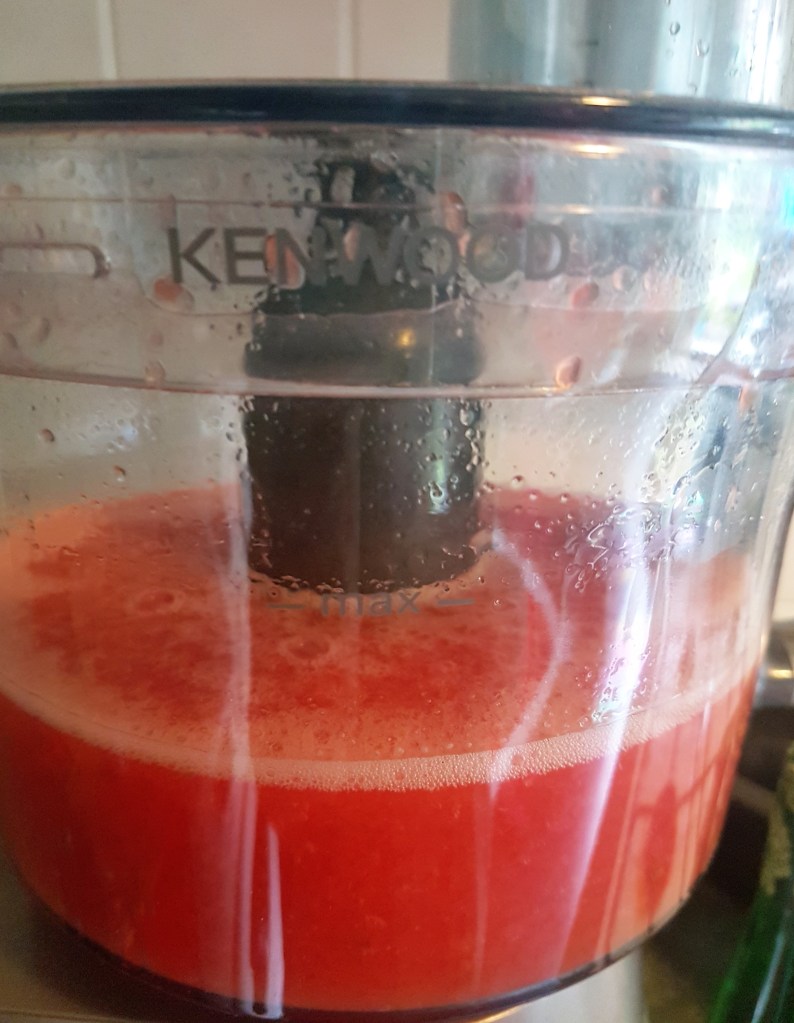
The watermelon was a pretty colour in the processor

This was very refreshing on a warm evening. It’s contains alcohol of course, so my sons just had a little bit and ate the rest of the watermelon. The recipe suggests using pink grapefruit juice if you don’t want to use Prosecco.

I’m really enjoying seeing all the vegetarian cookbooks that have come out recently and I think we’re going to be using this one regularly. Although it’s a spring and summer book there are quite a few mushroom recipes that would work well into autumn, as well as some curries that would be good at any time of year. I’m looking forward to the autumn, winter edition that comes out in October – I’m sure I’ll want to add that to my collection.

Prehistoric Cooking

Cookbook Challenge part 9

It’s quite a while since I posted anything. I have still done a couple of cookbook challenge meals, just got behind with writing them up while I was busy with work and holidays. Feel free to follow me on Instagram too if you are interested in what I’ve been doing and eating – it’s apricots_in_manchester

For this week’s meal I went a long way back in time …

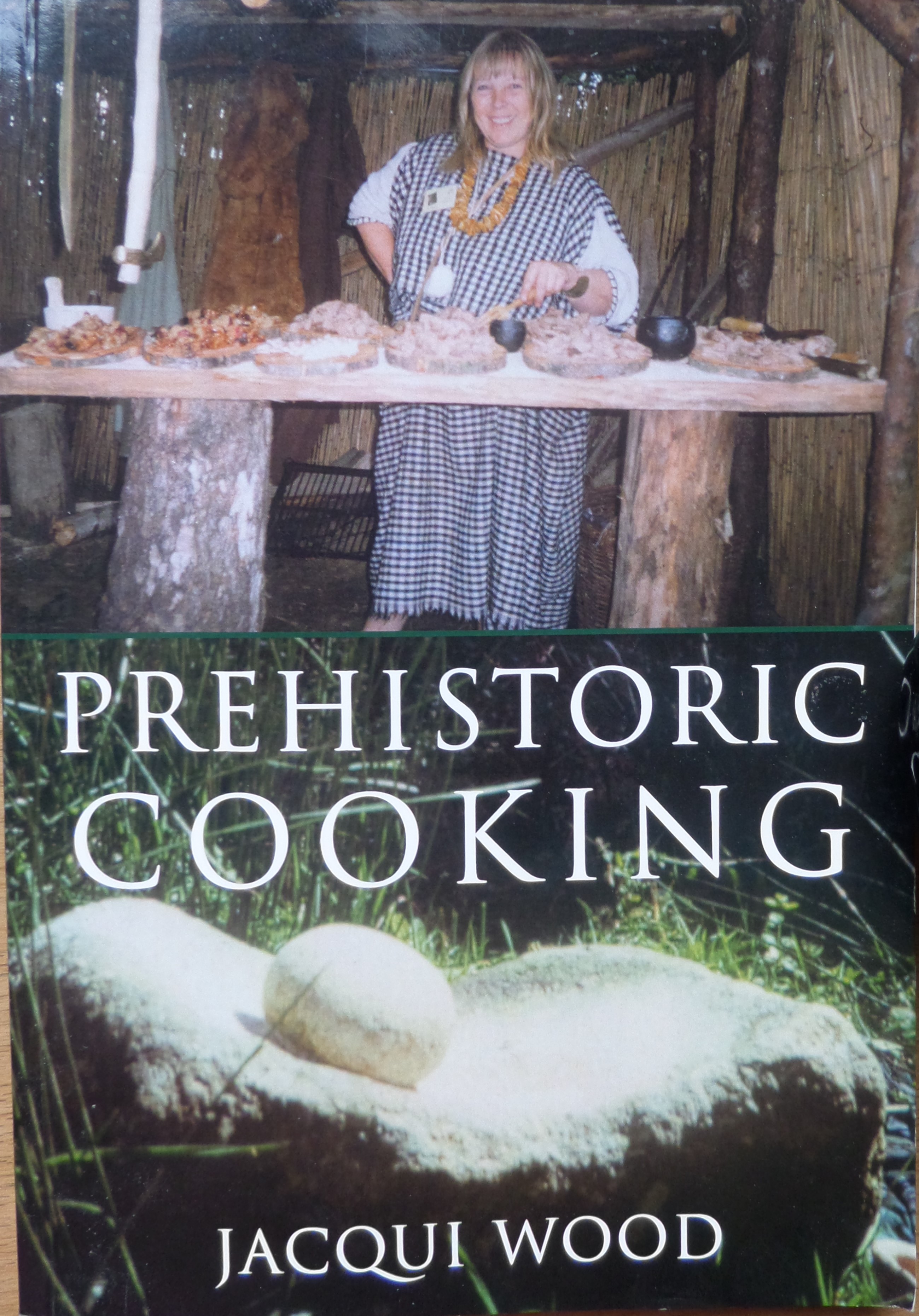
I have a few books of historical recipes and some books that are just old, but I think this one goes back the furthest. Of course, as we’re talking about prehistory, there are no records of what people were actually eating at the time. The author gives suggested recipes based on the foods known to have been available and that she has developed through experimental archaeology. There is a lot of information on the foods eaten in different periods of prehistory at the start of the book, so it’s worth reading if like me you are interested in how food preparation developed over time.

I was aiming to make some dishes that may have been eaten in Northern Europe and Britain in the Bronze age – approximately 3,500 years ago. People would still have been hunting and collecting whatever foods were around them, but would also have domesticated animals and started cultivating grains.

There are lots of suggestions in the book for foraging for wild vegetation, but there is limited opportunity for that in the Manchester suburbs, so I kept to ingredients that were readily available in my garden or in the supermarket. As I don’t eat meat, I looked for dishes using vegetables, milk and grains, which must have been the case for prehistoric people a lot of the time as well.

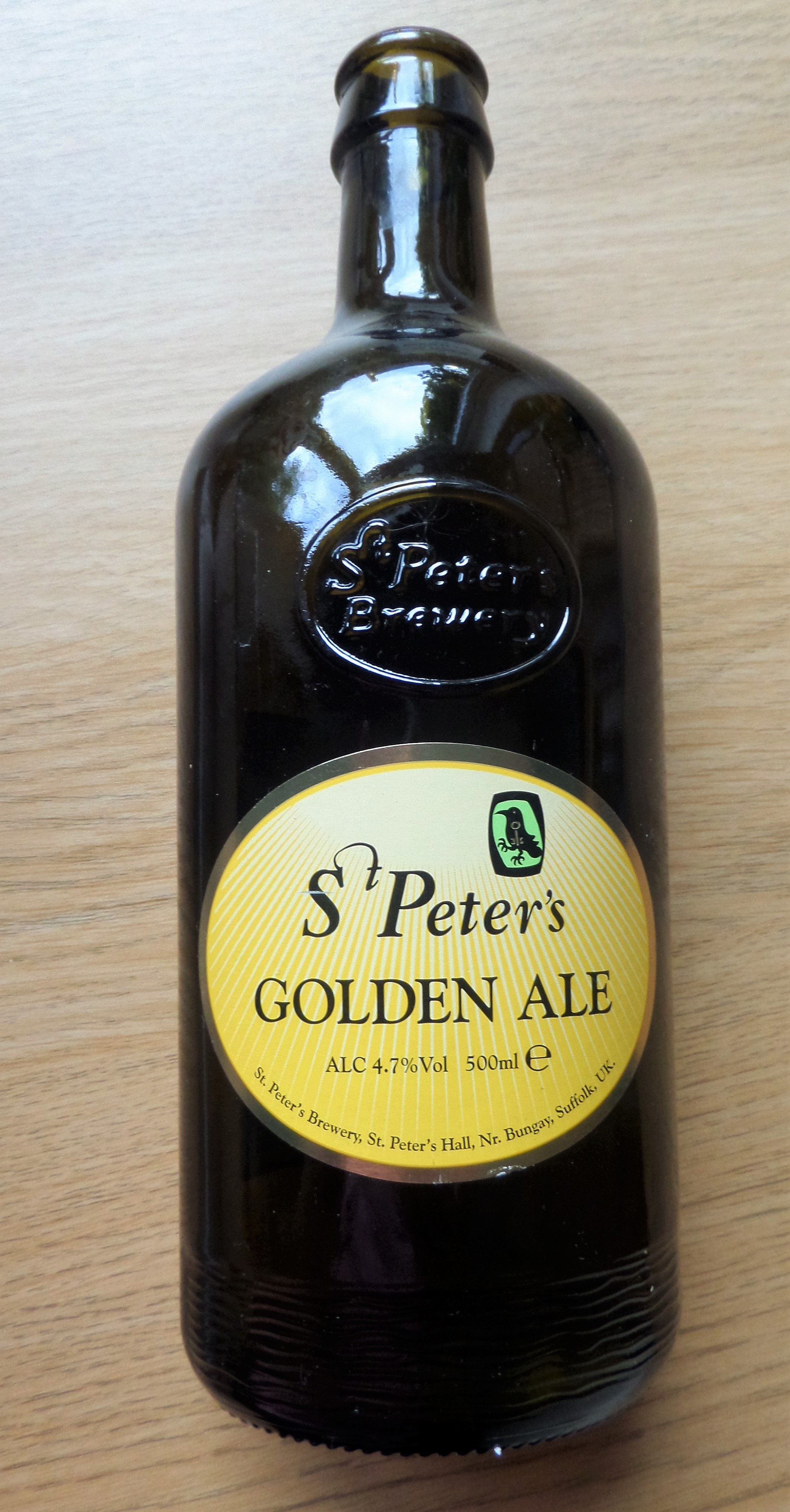
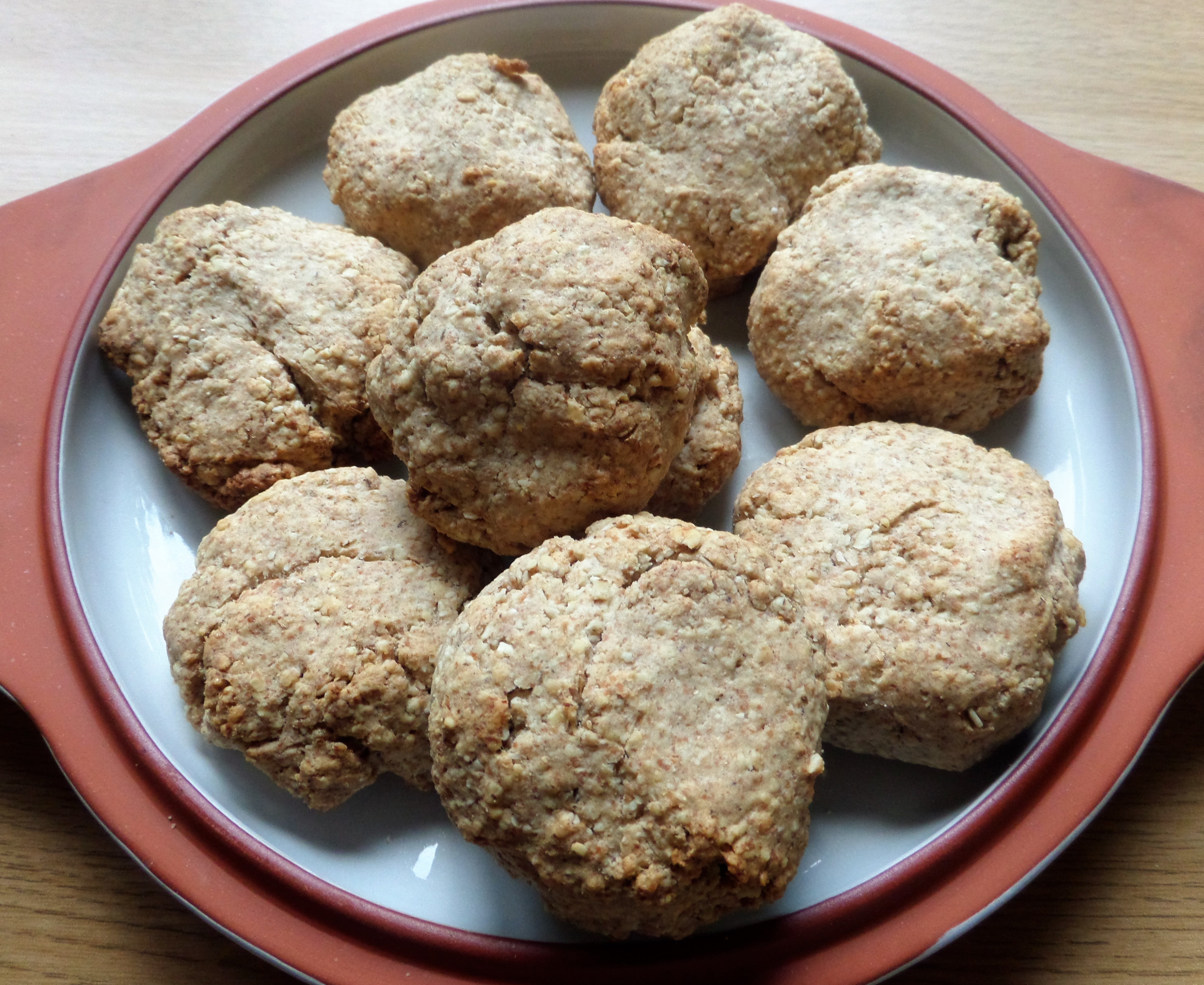
I started off by making some barley bread with beer. The beer is supposed to make the bread lighter, instead of using yeast. I couldn’t find barley flour, so I used barley flakes and ground them up in the food processor. That made quite a coarse flour, but possibly finer than prehistoric people could achieve using stones to grind flour. The beer was St. Peter’s Golden Ale, brewed in Suffolk, which I chose mainly because I liked the bottle! I have no idea what prehistoric beer would have tasted like. There are some beer recipes in the book, but I didn’t have time to wait a few days for it to ferment. This one tasted good anyway, It contains hops, which apparently were used in Europe in prehistoric times, but weren’t introduced to Britain until the sixteenth century.

The finished bread was fairly dense, although I think the beer had lightened it. The texture was also quite crumbly, a bit like a scone. The flavour was quite good though, especially with some salted butter.

I needed something else to go with the bread, so I made some soft cheese. This is very easy, you just add vinegar to hot milk, stir until the curds separate and then drain off the whey. You end up with a ricotta style cheese which I flavoured with salt, garlic and chives. It was actually really tasty and probably the only part of the main course that my sons liked.

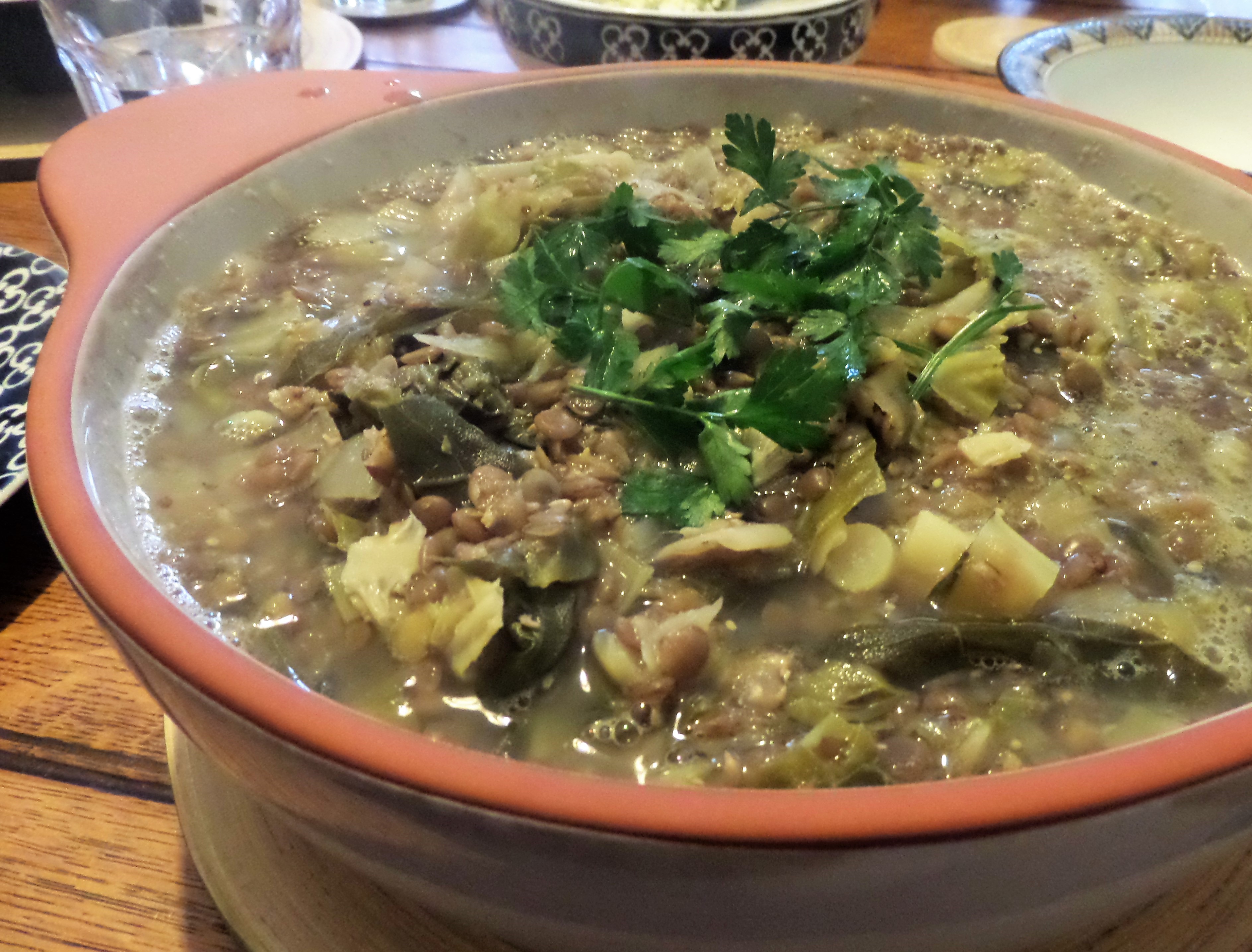
The main course was a lentil stew. For this I didn’t exactly follow a recipe, but put together ingredients that should have been available in Europe at the time, including lentils, onions, leeks and various herbs. I found it quite difficult to make this taste good. We often eat this type of vegetarian stew, but usually we might add potatoes, peppers, maybe chilli, cumin or other spices – none of which would have been available in prehistoric Northern Europe. It ended up tasting fairly wholesome and was very healthy at least. It was also a very dull brown. Do you think prehistoric people would have bothered with a parsley garnish? If I was there I definitely would have!

Now for dessert. There is no way of knowing if people would have had something sweet to finish their meal, but they would undoubtedly have sought out sweet foods for the extra energy they provide. There are cave paintings in Spain dating back to Neolithic times showing human figures gathering honey, for example.

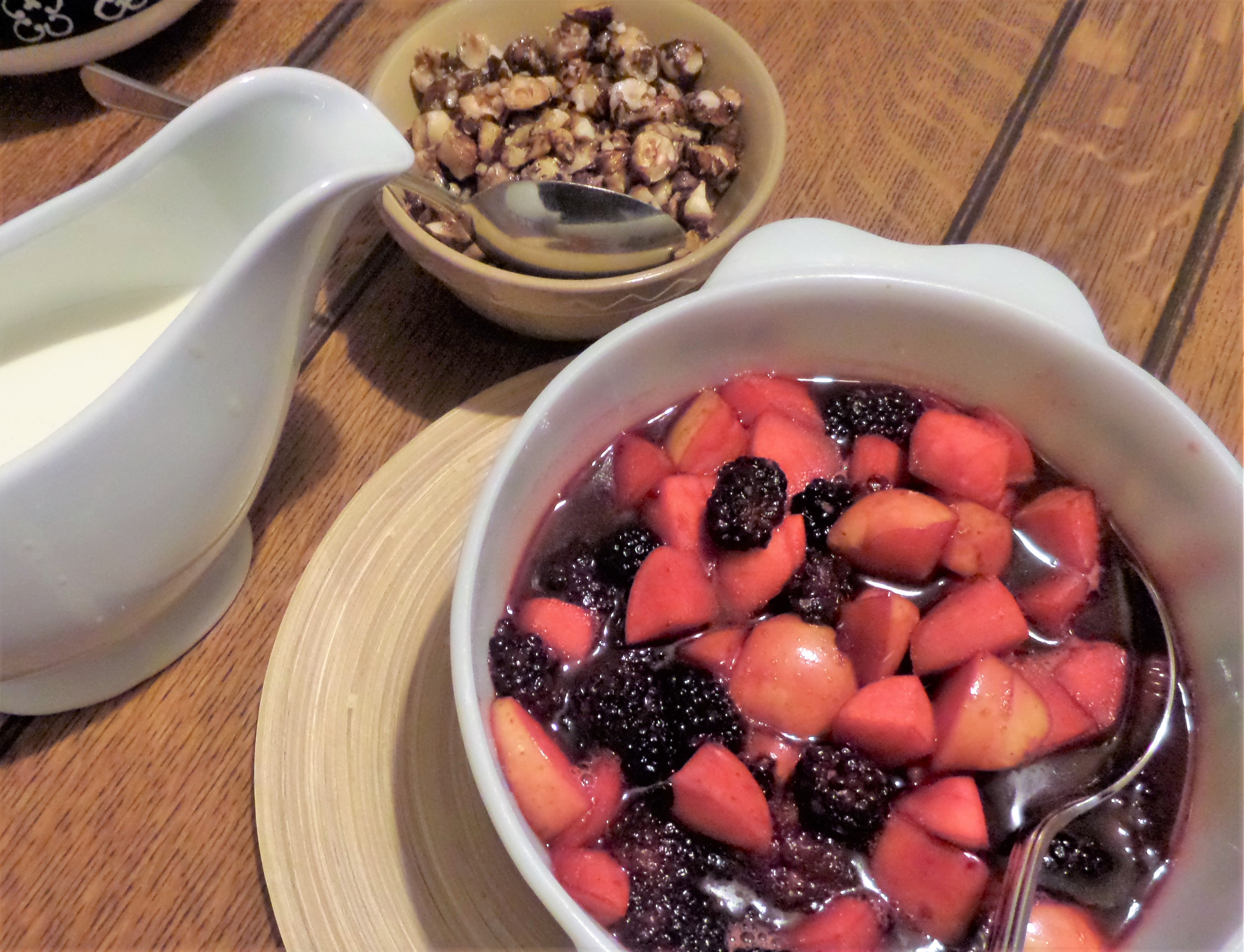
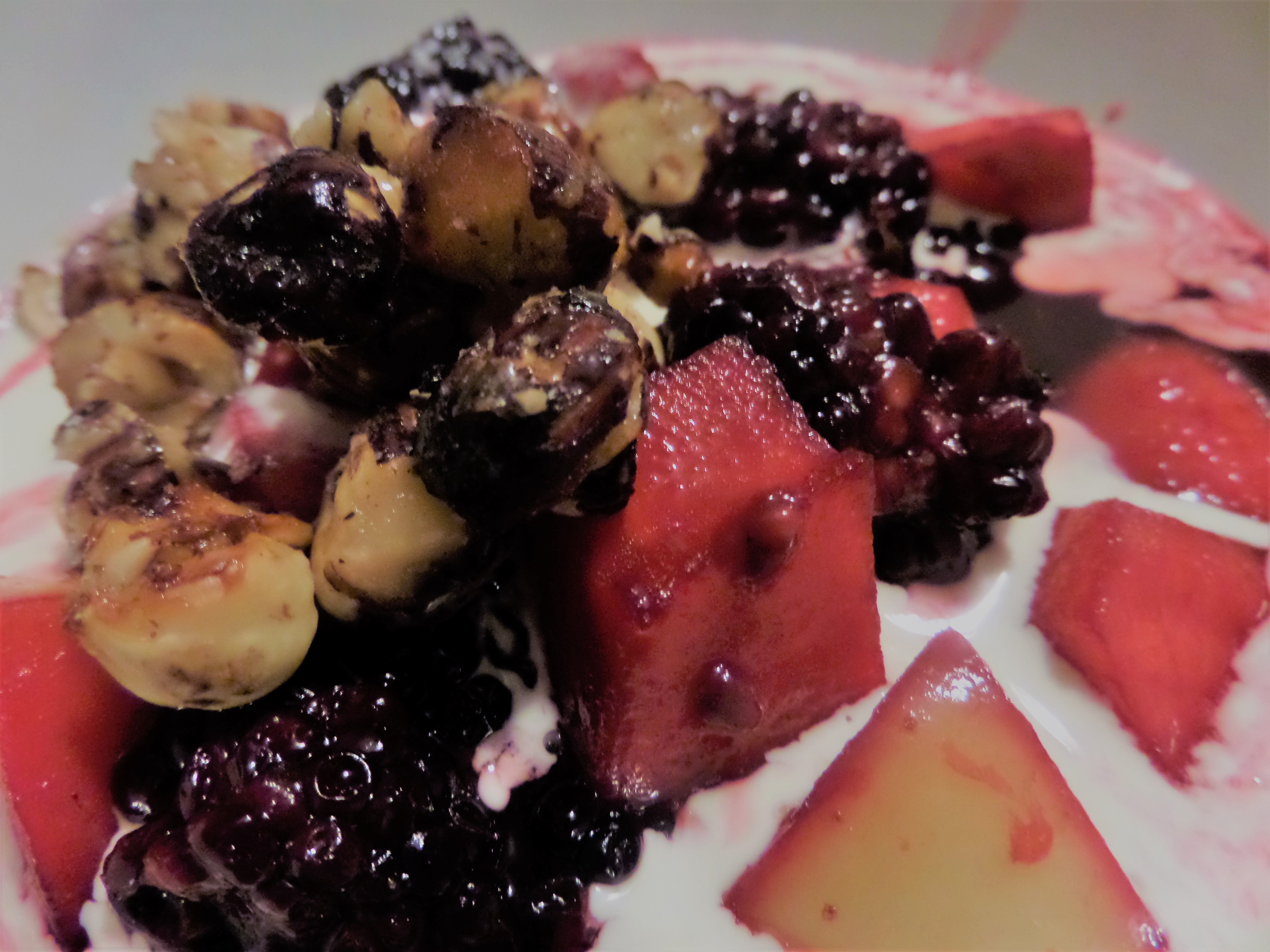
I cooked apples and blackberries sweetened with honey and made a crunchy topping with hazelnuts cooked in butter and more honey. Served up with a big jug of cream. This went down very well – you can’t really go wrong with fruit and cream can you?

Would our prehistoric ancestors have eaten anything like this? I have no idea, but it tasted good so I’m going to assume they might have done.

I did enjoy reading about prehistoric cooking and trying to recreate these recipes. I can’t say any of them are likely to reappear on our table any time soon, except maybe the cheese which was fun to make and when I worked it out was less expensive than buying flavoured soft cheese. A few more spices would be good for my next cookbook challenge though, I think.

Easy Meals by Rachel Allen

Cookbook Challenge Part 8

Sometimes you do just need an easy meal. This book was in my Mum’s kitchen until a few years ago when she passed it on to us. We were still trying to get used to feeding children in the short window of time available between collecting them from nursery and them being so tired they throw a tantrum and then fall asleep in their dinner.

This book promises to help, although I would prefer to enjoy my busy life rather than just “get through” it, but never mind.

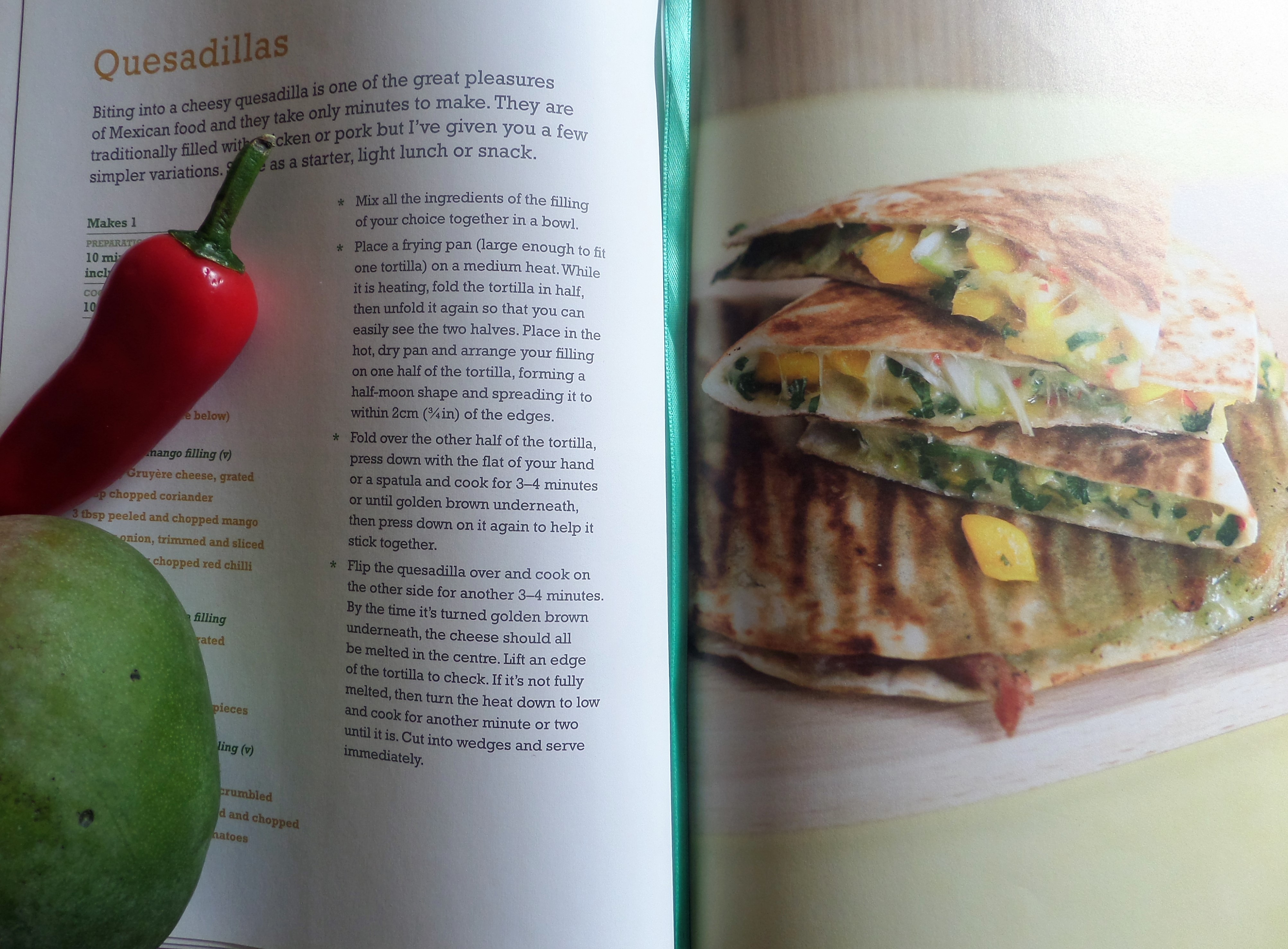
I decided to make quesadillas since no-one in my family has ever complained about those. There are three options for fillings in the book and I picked mango with Gruyere, which doesn’t sound particularly Mexican but I thought it would be an interesting combination to try.

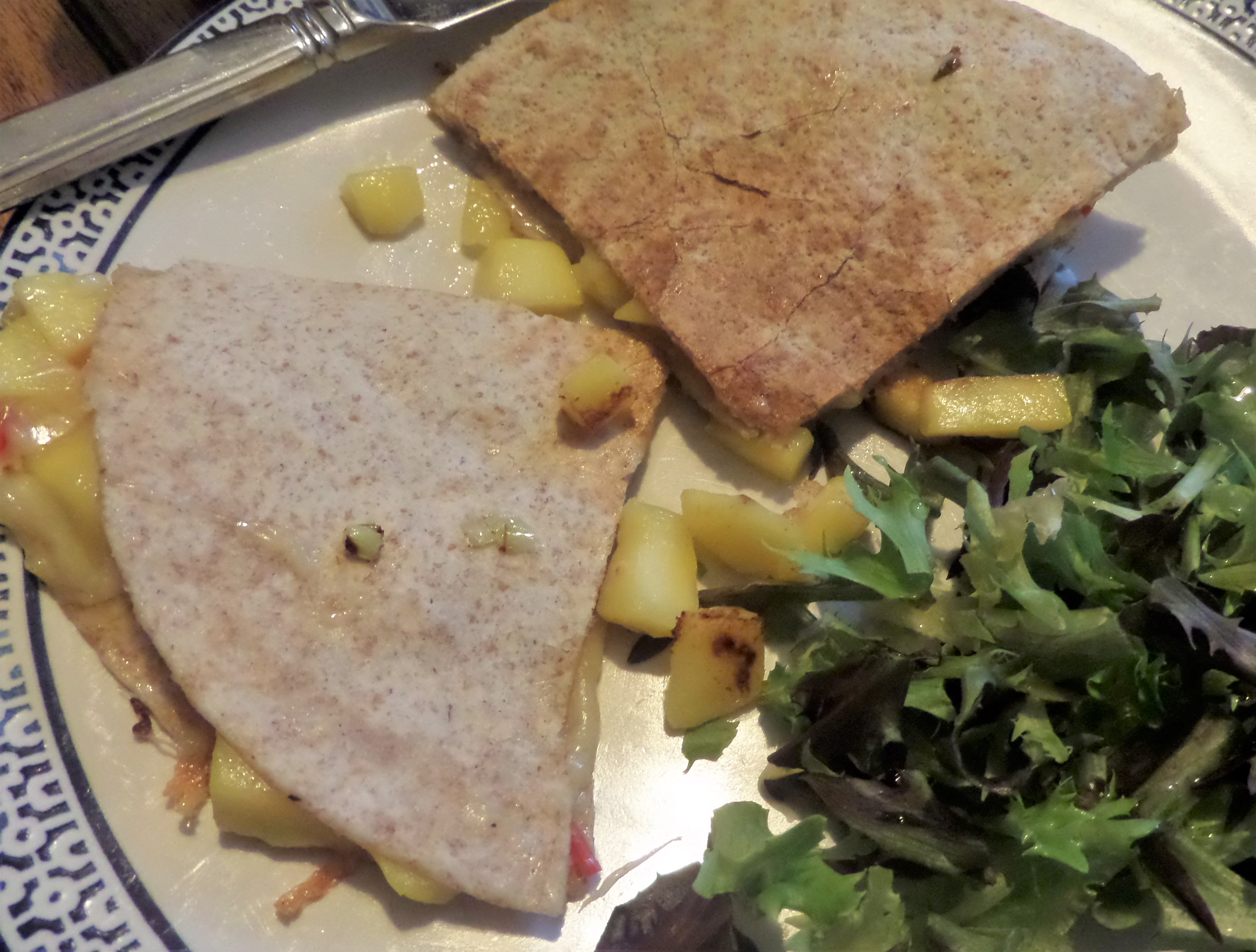
I used a bag of ready grated cheese to make it even easier, so the most difficult thing I needed to do was chop and peel the mango. I could have bought that ready chopped too, but those packs are not always as sweet and juicy as I would like.

I know it’s not the best presentation, but hopefully you get the idea of the gooey melted cheese and slightly caramelised mango. It was a really tasty combination, like cheese and chutney, but if I made this again I would use two chilies as my family like a bit of heat.

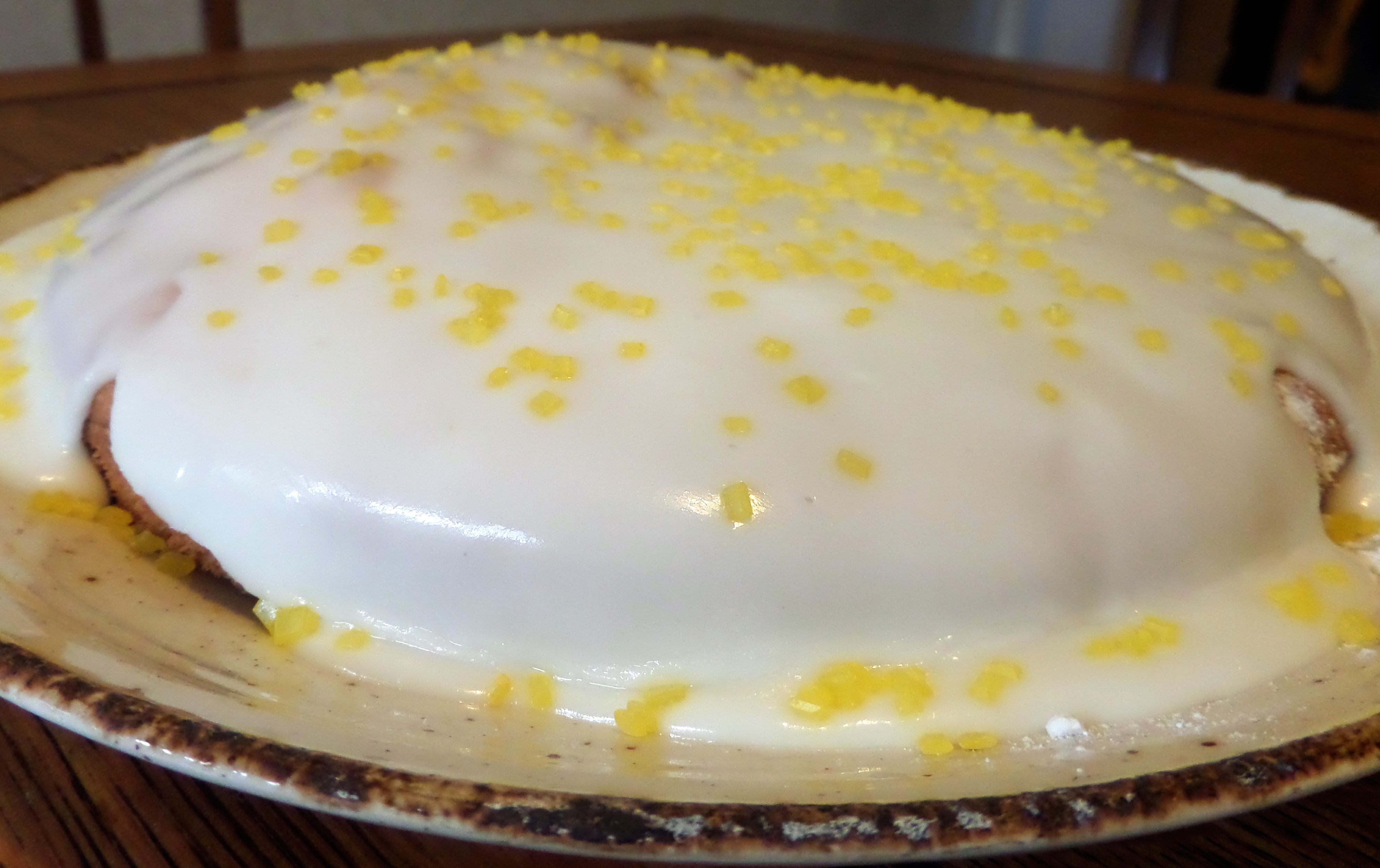
Dessert was an Easy Lemon cake. This was an all in one recipe that you make in the food processor and then ice with a simple lemon juice and sugar icing.

I think I made the icing a bit too runny! I added the yellow sprinkles just because I had some and otherwise it would have just been a white cake on a white plate. It still doesn’t look that photogenic.

It looked a bit better when it was sliced up. The cake had a good lemon flavour, but was more dense that I would have liked. I think it was overmixed, as I followed the instructions to process for about a minute or until the batter came together. My new processor is so powerful that it was ready in a few seconds, so I should have stopped there. My sons thought it was good though, they are just happy to have cake.

This book was great when our sons were younger and is fine if you are looking for some quick and basic meals. I think stronger flavours are more popular in our house these days.

I haven’t decided which book to cook from next week. I may go back in time again, maybe much further back – we’ll see!